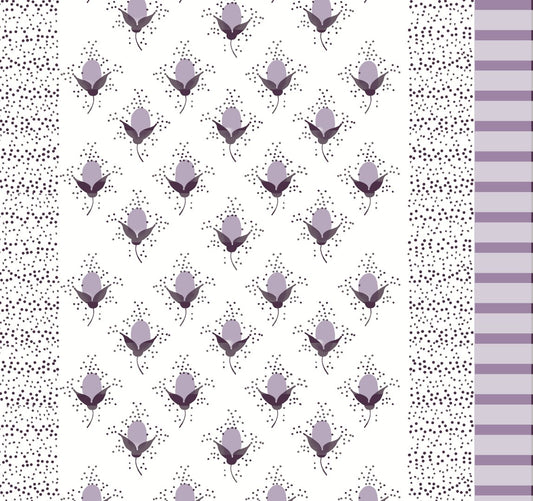
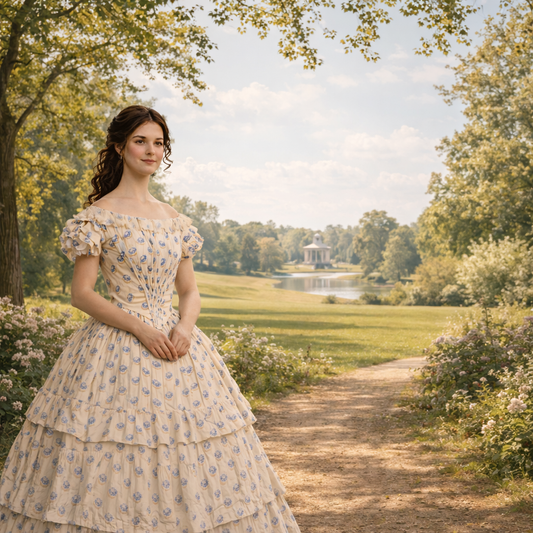
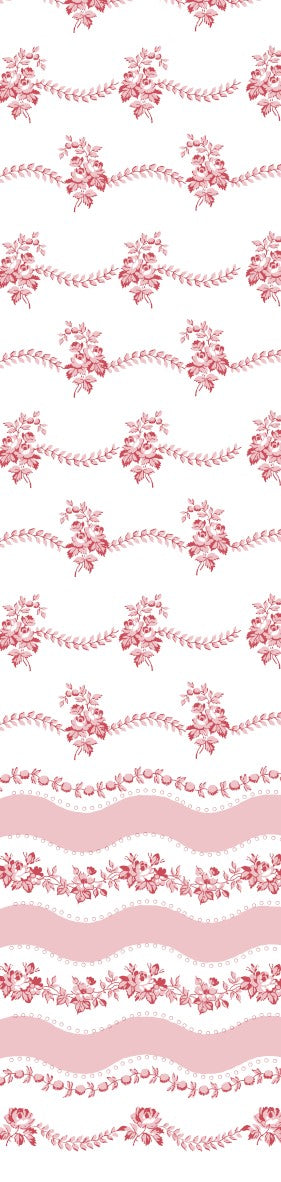
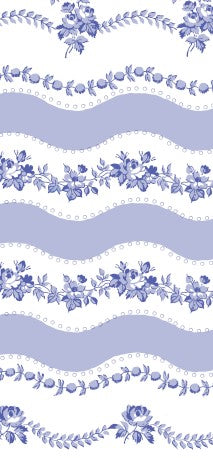
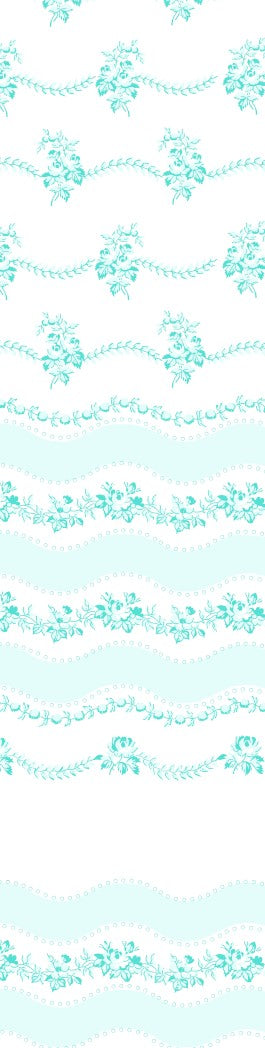
Collection: 1850s Fabric Design
The 1840s favoured deep colours, dense floral and geometric prints, and heavier cottons and silks that matched the era’s structured bodices and full skirts. Patterns were detailed and romantic, reflecting early Victorian taste.
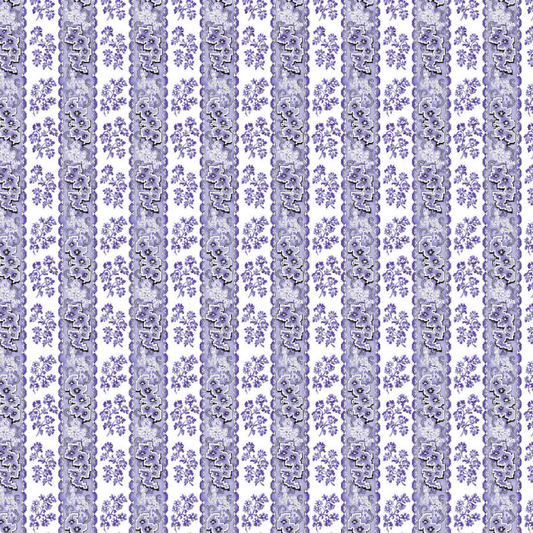
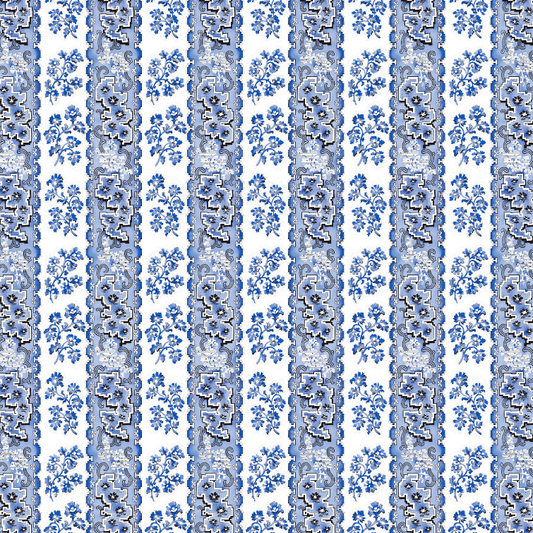
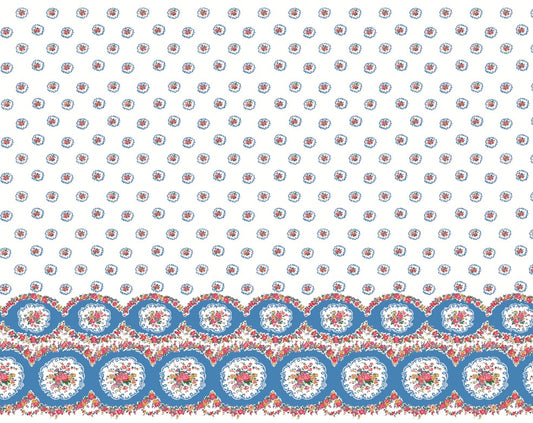
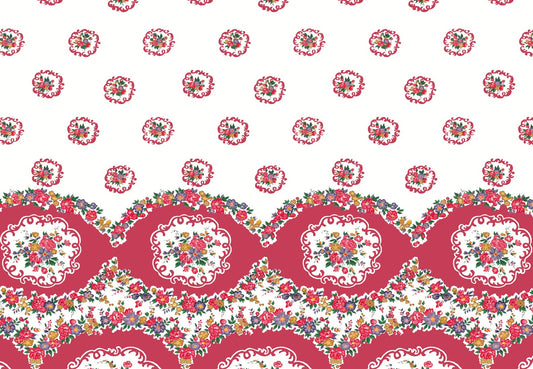
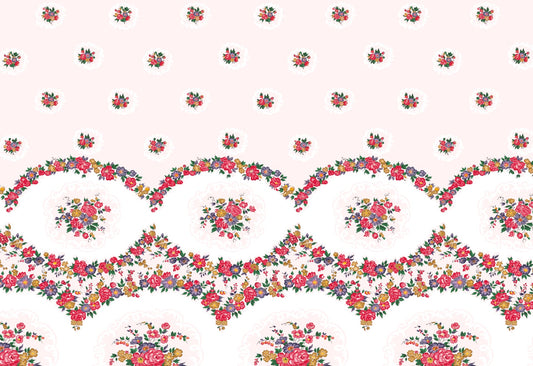
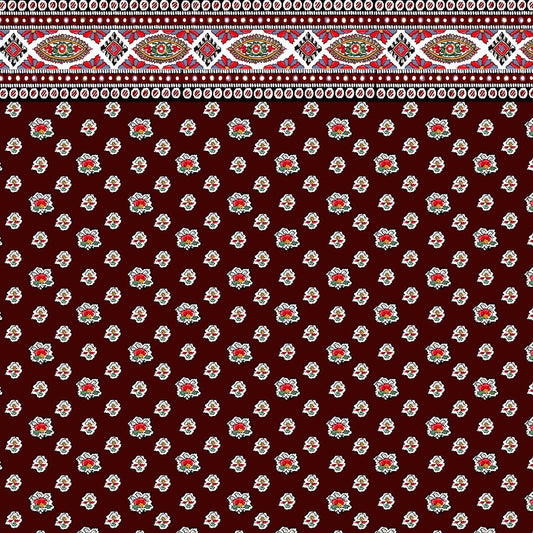
In the 1850s, fabrics became lighter and more practical. Printed cottons with softer florals and lengthwise designs made cutting and construction easier for separate bodices and skirts. Fine mulmul and other breathable cottons defined the look of mid-Victorian daywear.
Explore the next decade → 1860s Fashion
-
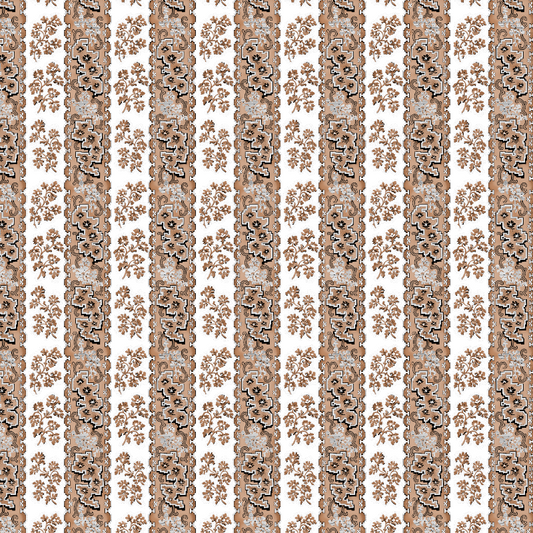
1850 Aunt Brown
Regular price From 252 SEKRegular priceUnit price / perSale price From 252 SEK -
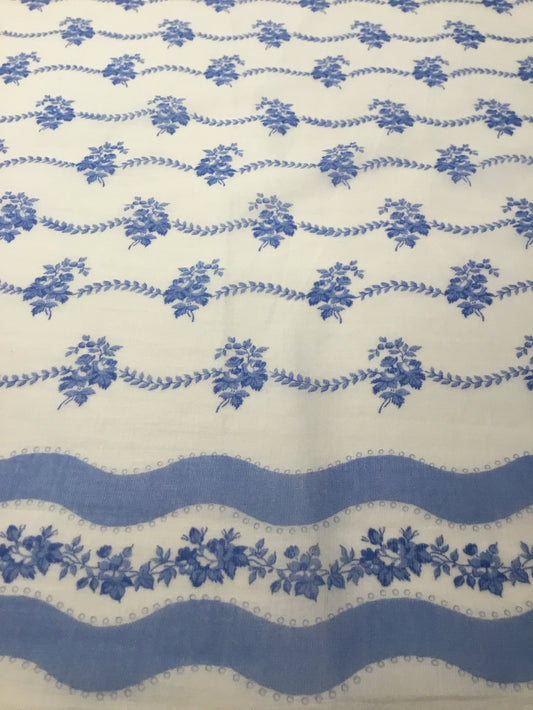
1857 Sissi - mulmul - Powder Blue
Regular price 3 284 SEKRegular priceUnit price / per252 SEKSale price 3 284 SEK -
1857 Eunice Newton Foote - mulmul - Mulberry
Regular price 3 284 SEKRegular priceUnit price / per252 SEKSale price 3 284 SEK -
1856 Henrietta Sederholm
Regular price 274 SEKRegular priceUnit price / perSale price 274 SEK -
1857 Thereza Dillwyn Llewelyn - mulmul - Powder Pink
Regular price 3 284 SEKRegular priceUnit price / per252 SEKSale price 3 284 SEK -
1857 Thereza Dillwyn Llewelyn - mulmul - Violet Lilac
Regular price 3 284 SEKRegular priceUnit price / per252 SEKSale price 3 284 SEK -
1857 Thereza Dillwyn Llewelyn - mulmul - Blue
Regular price 3 284 SEKRegular priceUnit price / per0 SEKSale price 3 284 SEK -
1850 Aunt Blue - 5 meters
Regular price 1 259 SEKRegular priceUnit price / per1 533 SEKSale price 1 259 SEKSale -
1850 Aunt Gredelin
Regular price From 263 SEKRegular priceUnit price / perSale price From 263 SEK -
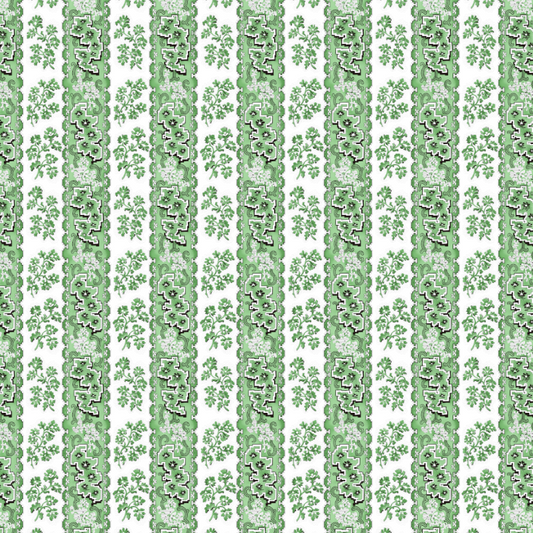
1850 Aunt Green
Regular price From 252 SEKRegular priceUnit price / perSale price From 252 SEK -
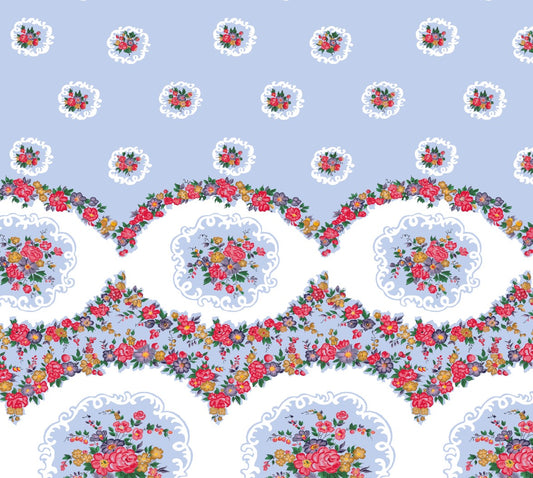
1850 Aunt Blue
Regular price From 263 SEKRegular priceUnit price / perSale price From 263 SEK -
1857 Sissi - mulmul - SteelBlue
Regular price 3 284 SEKRegular priceUnit price / per252 SEKSale price 3 284 SEK -
1857 Sissi - mulmul - Azalea
Regular price 3 284 SEKRegular priceUnit price / per252 SEKSale price 3 284 SEK -
1857 Sissi - mulmul - Peony
Regular price 3 284 SEKRegular priceUnit price / per252 SEKSale price 3 284 SEK -
1857 Maria Mitchell - mulmul
Regular price 3 284 SEKRegular priceUnit price / per252 SEKSale price 3 284 SEK -
1857 Emily Stowe - mulmul - Indian Yellow
Regular price 3 284 SEKRegular priceUnit price / per252 SEKSale price 3 284 SEK -
1857 Emily Stowe - mulmul - Karmin
Regular price 3 284 SEKRegular priceUnit price / per252 SEKSale price 3 284 SEK -
1853 Clara Schumann - Cotton Satin
Regular price 285 SEKRegular priceUnit price / perSale price 285 SEK -
1857 Mathilde Fibiger - mulmul - Lavandel
Regular price 3 284 SEKRegular priceUnit price / per252 SEKSale price 3 284 SEK -
1857 Thereza Dillwyn Llewelyn - mulmul - SummerDay Green
Regular price 3 284 SEKRegular priceUnit price / per252 SEKSale price 3 284 SEK
A few intersting topics to help you start a conversation when meeting someone new at a ball.
Catching Up – Briefly
What Were The Baroque fabric types
Baroque Fabric Types
In the Baroque period, which spanned from the late 16th to the late 17th century, various fabric types were used to create the elaborate and luxurious garments characteristic of the era. Some of the prominent fabric types commonly associated with Baroque fashion include:
-
Brocade: Brocade was a popular fabric during the Baroque period, known for its intricate woven patterns that often included metallic threads. It was used for lavish garments such as gowns, doublets, and waistcoats, adding a touch of opulence to Baroque attire.
-
Velvet: Velvet was another favored fabric in Baroque fashion due to its rich texture and luxurious appearance. It was commonly used for both clothing and accessories, providing a sumptuous look that complemented the ornate style of the period.
-
Silk: Silk was highly prized during the Baroque era for its smooth feel and lustrous sheen. It was used for a wide range of garments, from elegant gowns to decorative trimmings, reflecting the emphasis on luxury and extravagance in Baroque fashion.
-
Lace: Delicate lace fabrics were extensively used in Baroque clothing to add intricate detailing and embellishments. Lace was often applied to collars, cuffs, and ruffs, enhancing the ornate aesthetic of Baroque attire.
-
Damask: Damask, a reversible fabric with elaborate woven patterns, was favored for its decorative appeal in Baroque fashion. It was commonly used for upholstery, curtains, and formal garments, showcasing intricate designs typical of the period.
What were the Fabric types in the 18th Century
In the 18th century, fabrics played a significant role in fashion and society.
Various types of textiles were used for clothing, upholstery, and other purposes during this period. Some of the most popular fabrics in the 18th century included silk, wool, cotton, and linen.
Cotton became increasingly popular in the 18th century due to advancements in textile manufacturing. It was more affordable than silk or wool and was used for a widerange of clothing items, from undergarments to outerwear. Cotton fabrics were often printed with intricate patterns using techniques like block printing.
Linen was another widely used fabric in the 18th century, known for its light weight and breathable qualities. It was commonly used for shirts, shifts, and other garments worn close to the skin. Linen was also used for household textiles like tablecloths and napkins. Silk was one of the most luxurious and sought-after fabrics in the 18th century. It was commonly used for formal attire, such as dresses and waistcoats.
Silk was often imported from countries like China and India and was associated with wealth and status. Different types of silk, such as satin, taffeta, and brocade, were used for different purposes.
Wool was another commonly used fabric in the 18th century, especially for everyday clothing. It was durable, warm, and readily available in Europe. Wool was used for garments like coats, jackets, and trousers. Different types of wool, such as merino and cashmere, were prized for their softness and quality.
What was Mid Victorian fabric types
Fabrics of the Victorian Era
During the Victorian era, clothing was made from a wide range of fabrics, each chosen for its texture, weight, and social meaning. Some of the most common materials included:
Bombazine – A twilled fabric, usually made with a silk warp and worsted weft, traditionally dyed black and worn for mourning.
Calico – A plain, unbleached cotton cloth, simple and sturdy, often used for undergarments or household sewing.
Gabardine – A tightly woven, durable fabric favored for coats, suits, and outerwear.
Moleskin – A heavy, twilled cotton with a soft nap, mostly used for workwear and durable trousers.
Muslin – A fine, lightweight cotton, widely used for dresses, linings, and delicate accessories.
Nankeen – A buff or yellow cotton cloth, originally imported from China, later imitated by European mills.
Organdie – A crisp, sheer cotton fabric that held its shape well, often chosen for summer dresses and trimmings.
Poplin – A strong, plain-weave cotton or silk with subtle ribbing, common in children’s clothing and everyday dresses.
Satin – A glossy, smooth fabric made chiefly of silk, symbolizing luxury and worn for evening and formal wear.
Tarlatan – A loosely woven, stiffened cotton used to give structure to skirts and gowns.
Tweed – A rough, woolen fabric with a distinctive texture, first made in Scotland and favored for country clothing.
Velvet – A rich, pile fabric made of silk or cotton, soft to the touch and associated with wealth and refinement.
Worsted – A smooth, hard-surfaced wool fabric spun from long fibers, ideal for tailored garments and crisp silhouettes.
What was the early Victorian, 1840s fabrics like
Daytime Fabrics: Heavy twilled silks, scotch plaid velvet, oriental velvets, embroidered India muslins, stripe satin double, levantines, cashmere, shot or glace silk, wool.
Evening Fabrics: Crepe, organdie, satin, lace, shot or glace silk.
Trim: Lace, fringe, flounces, scallops, frogging, buttons, bows, flowers, drapes.
The most characteristic fabric of the 1840s was “changeable” shot or glace silk with delicate shadings of color. Fabrics were heavy tapestries compared to the sheer gauze of the 1830s. Daytime colors included dark blue, soft blue, black, grass green, teal blue-green, deep purple, brown, and various cream/tan/bronze/gold shades. Evening colors featured light pink, blue, gold hues, soft yellow, greenish-gold or deep black, bronze, purple, blue or dark green with white/ivory/cream tones. Patterns included large plaids and small figures on dark or light grounds. Trim colors were minimal with matching or similar shades. Outerwear colors ranged from black and deep blue to dark green and cream/tan.
In the 1840s, fabrics were less rich and exuberant overall but featured bright colors in printed woolen fabrics and shawls. Black lace contrasted with light satins for evening gowns remained fashionable. Bright and richly mixed colors like cream with blue and deep pink or purple were seen in printed wool fabrics. Black satin aprons and mantles were worn over bright dresses while black was popular for bonnet veils and mittens.
For more detailed visuals of 1840s daytime dresses and evening gowns from museum collections, you can refer to my Pinterest board dedicated to different Eras.
What was Naturalism epoch fabric types like
Fabric Types at the End of the 19th Century
By the late 1800s, fashion shimmered with new possibilities. Industrial progress had transformed textile production, making once-luxurious materials—velvet, satin, and tulle—available beyond the aristocracy. The wardrobe of the Victorian woman grew fuller, heavier, and more dramatic, layered in volume and texture. Gone were the translucent muslins and light cottons of earlier decades; in their place came lustrous fabrics that caught the light and announced confidence, wealth, and modernity.
Fabrics for 19th-Century Dresses
Wool – Valued for warmth and versatility, wool appeared in tailored jackets, walking skirts, and gentlemen’s trousers. Its texture balanced refinement with practicality.
Cotton – The everyday hero of the 19th century, used for undergarments, petticoats, linings, and summer dresses. Light, washable, and democratic.
Linen – Cool, crisp, and breathable, linen remained a staple for shirts and chemises, especially in the warmer months or colonial settings.
Plain Silks – Smooth silks in understated weaves dressed both men and women; they were shaped into gowns, cloaks, and evening jackets that glowed softly in gaslight.
Silk Brocades – Richly patterned and heavy, brocades conveyed status. Their woven designs—florals, scrolls, and damasks—added grandeur to formal gowns and bodices.
Silk Velvet – The epitome of late-Victorian luxury. Deep, soft, and light-absorbing, it was used for gowns, capes, and trims that seemed to drink in candlelight.
Silk Chiffon – A whisper-thin novelty of the age, chiffon lent delicacy to collars, scarves, and overlays. It softened the bold silhouettes of the 1890s with a breath of lightness.
What was The Romanticism time fabric types
Romanticism - late 18th century, mid 19th century
During the late 18th to mid-19th century, known as the Romanticism period, fabrics played a significant role in fashion. Silk, cotton, and wool were among the primary fabric types used during this era.
Silk continued to be a luxurious and sought-after fabric during the Romanticism period. The intricate weaving techniques and vibrant colors of silk fabrics symbolized wealth and status. Silk was used for elaborate gowns, dresses, and accessories, showcasing intricate patterns and designs that reflected the artistic sensibilities of the time.
Cotton, on the other hand, gained popularity during this period due to its affordability and versatility. The mechanization of cotton production during the Industrial Revolution made it more accessible to a wider population. Cotton fabrics were used for everyday wear, undergarments, and lighter garments due to their breathable nature and comfort.
Wool remained a staple fabric during the Romanticism era, particularly for outerwear and working-class attire. Wool’s insulating properties made it suitable for various weather conditions, while its durability made it ideal for practical clothing such as coats, jackets, and trousers.
What was The Enlightenment time fabric types
The Enlightenment - 18th Century Fabric Types
The Enlightenment was an intellectual and cultural movement that emerged in the late 17th and 18th centuries in Europe. It was characterized by a focus on reason, science, individualism, and skepticism of traditional authority. The Enlightenment promoted ideals such as liberty, progress, tolerance, fraternity, constitutional government, and separation of church and state. Key figures of the Enlightenment included philosophers like Voltaire, Rousseau, Montesquieu, and Locke.
In terms of fabric types during the 18th century, there were four main natural fibers commonly used for clothing:
- Cotton: Cotton gained popularity as a fabric in the 18th century. Initially an expensive novelty fabric imported from India, cotton became more accessible with simple prints and designs. Floral prints, simple motifs, and plain muslin were common choices.
-
Linen: Linen was the most common fabric of the 18th century. It was used for a wide range of garments including underwear, linings, caps, aprons, and outer clothing. Linen came in various weights and weaves suitable for different purposes.
-
Wool: Wool was another prevalent fabric during the Georgian era. It was versatile, providing insulation in winter and breathability in summer. Different types of wool such as worsted wool, flannels, broadcloth, and superfine were used for various garments.
-
Silk: While not explicitly mentioned in the provided context, silk was also a significant fabric during the 18th century. It was luxurious and used for formal attire such as gowns and accessories.
What was Classicism fabric types
Classicism Fabric Types Mid 17th Century & Early 18th Century
In the mid-17th century and early 18th century, during the period of Classicism, fabric types commonly used reflected the aesthetic principles of the era. Fabrics were chosen based on their ability to convey a sense of formality, elegance, and adherence to classical ideals. Some of the prominent fabric types during this time included:
1. Silk: Silk was a highly desirable fabric during the Classicism period due to its luxurious texture and sheen. Silks with intricate patterns and designs were favored for garments that displayed affluence and sophistication. The use of silk in clothing was a symbol of wealth and status, making it a popular choice among the elite class.
2. Wool: Wool was another commonly used fabric during the mid-17th century and early 18th century. It was valued for its versatility, as it could be used for both working-class attire and more formal outerwear. Wool fabrics varied in weaves and blends, offering options for different types of garments suitable for various occasions.
3. Cotton: Cotton became increasingly popular during this period, especially with the availability of printed cotton fabrics from India and other regions. Simple prints and floral patterns on cotton fabrics were sought after for their colorful designs and ease of maintenance. Cotton fabrics were worn extensively by individuals across different social classes.
4. Linen: Linen, though more commonly associated with earlier periods, continued to be used in the mid-17th century and early 18th century for various garments such as undergarments, linings, and outer clothing. Linen’s durability and breathability made it a practical choice for everyday wear.
What fabrics were valuable in the historical times
Throughout history, certain fabrics were treasured not only for their rarity and craftsmanship but also for the power and prestige they represented. Textiles carried stories of trade, empire, and artistry — woven symbols of wealth and identity.
Silk – First cultivated in ancient China, silk became synonymous with refinement and power. Its shimmering threads were guarded secrets, reserved for royalty and the elite, and traded along routes that shaped civilizations.
Linen – Spun from flax, linen was prized by ancient cultures for its strength, breathability, and cool touch. It clothed pharaohs, wrapped mummies, and lined the homes of the Mediterranean — a fabric of purity and endurance.
Wool – Soft yet resilient, wool protected humankind for millennia. From nomadic herders to European weavers, it served as warmth, shelter, and symbol — a material of both necessity and luxury.
Cotton – Born in the Indian subcontinent, cotton’s softness and versatility transformed global trade. It became the fabric of empire, carried by merchants and colonizers alike, spun into the cloth of everyday life.
Cashmere – Drawn from the fine undercoat of Himalayan goats, cashmere was a treasure of ancient Persia and India. Coveted for its lightness and warmth, it remained the hallmark of luxury and quiet sophistication.
Velvet – With its dense, light-catching pile, velvet embodied opulence. Once woven only in Byzantine and Italian looms, it draped monarchs, priests, and nobles in a richness that seemed to glow from within.
Brocade – More than fabric, brocade was art. Woven from silk and often gilded with metallic threads, it carried intricate patterns across the courts of China, Persia, and Byzantium — a testament to skill and splendour.
Leather – Tough, adaptable, and enduring, leather has served humanity from prehistory onward — clothing, armour, and adornment in one material that bridged the practical and the noble.
Fur – In colder lands, fur was life itself. Coveted for warmth and luxury, sable, mink, and fox pelts adorned robes and linings, marking rank and survival in equal measure.
Tapestry – The woven storytelling of castles and cathedrals, tapestry combined artistry and function. Each scene on its heavy surface proclaimed lineage, devotion, and the grandeur of its patron.
What does reproduction of historical fabrics mean
Reproduction of Historical Fabrics
Historical fabrics can be reproduced through a process that involves meticulous research, skilled craftsmanship, and attention to detail. The reproduction of historical fabrics aims to recreate textiles from the past with accuracy, often for purposes such as historical reenactments, museum displays, or fashion design inspired by specific time periods.
Research and Documentation
The first step in reproducing historical fabrics is thorough research and documentation. This involves studying historical sources such as paintings, tapestries, written descriptions, and extant fabric samples. By examining these sources, researchers can gather information about the materials used, weaving techniques, patterns, colors, and motifs prevalent during a particular period.
Material Selection
Once the historical fabric has been thoroughly researched, the next step is selecting appropriate materials for the reproduction. This may involve sourcing natural fibers such as linen, wool, silk, or cotton that would have been commonly used in the historical period being recreated. It is essential to choose materials that closely match the original in terms of texture, weight, and appearance.
Printing and Finishing
After the fabric has been selected, it will undergo a printing processes to achieve the correct colors and shades characteristic of the historical period. Colour Codes for natural dyes derived from plants, insects, or minerals are often used to replicate authentic hues. Once printed, the fabric may be finished through processes such as washing, pressing, or aging to enhance its authenticity.
Applications Reproduced historical fabrics find applications in various fields such as costume design for film and theater productions, historical reenactments, museum exhibitions, and academic research. These fabrics offer a tangible connection to the past and allow contemporary audiences to experience history through touch and sight.
More about the Gazette Des Atours De Marie- Antoinette
The “Gazette des atours de Marie-Antoinette” is a publication that provides insights into the wardrobe and fashion choices of Queen Marie-Antoinette for the year 1782. It includes details about her attire, fabrics, suppliers, and the process of selecting her daily outfits. The publication offers a glimpse into the luxurious and intricate world of royal fashion during that period, shedding light on the Queen’s style preferences and the meticulous attention paid to her clothing.
The Gazette des atours de Marie-Antoinette serves as a valuable historical resource for understanding the fashion trends and customs of the late 18th century, particularly within royal circles. It offers a unique perspective on Marie-Antoinette’s role as a fashion icon and her influence on the sartorial choices of the time.
This publication not only showcases the garments worn by Marie-Antoinette but also highlights the craftsmanship and artistry involved in creating her elaborate ensembles. By providing reproductions of fabric samples and descriptions of dresses, it allows readers to immerse themselves in the world of French royalty and haute couture of that era.
What does roller printed printed fabric mean
Roller-printed fabric refers to textiles decorated using a continuous rotary printing process. In this technique, a patterned metal or mesh cylinder transfers dye or ink onto cloth as it moves beneath the roller. The design—etched or stenciled onto the cylinder—ensures precision, speed, and consistency.
First developed in the late 18th century, roller printing revolutionized textile production by allowing detailed, multicolored patterns to be produced on a large scale. It became the standard method for furnishing fabrics, dress materials, and household textiles such as curtains, table linens, and upholstery.
The final result depends on the fineness of the engraved design, the viscosity of the dye, and the pressure of the roller — producing anything from delicate floral motifs to rich, complex prints that defined entire eras of textile fashion.
What does block printed fabric mean
Block Printed fabric
refers to textiles that are created using a technique known as block printing. In this traditional method, a design is carved into a wooden block, which is then dipped in dye and stamped onto the fabric. Read More in My Web Shop.
The origins of block printing can be traced back to ancient civilizations such as those in India, China, and Egypt. It has been used for centuries to create beautiful textiles with unique patterns and designs. Block printed fabrics are known for their vibrant colors, intricate designs, and handmade quality.
Block printed fabrics are popular in fashion and home decor due to their distinctive look and feel. They add a touch of craftsmanship and tradition to any garment or interior space. Block printed fabrics can be found in a variety of styles, from traditional motifs to modern designs.
Overall, block printed fabric is a unique and timeless textile that showcases the artistry and craftsmanship of traditional printing techniques.
What does calico printing mean
Calico printing in the 18th century marked a turning point in textile history. “Calico” originally referred to cotton cloth from Calicut, India — plain-woven, unbleached, and strong enough to take color beautifully. Artisans decorated it with vivid patterns using block printing, and later, the newly invented roller-printing technique.
By the mid-1700s, Europe — especially England and France — was swept up in the calico craze. Advances in dye chemistry and mechanization made it possible to mass-produce richly patterned cottons featuring florals, exotic scenes, and geometric repeats once seen only in Indian imports.
These printed cottons transformed fashion and interiors alike, replacing heavy silks and wools with lighter, more colorful fabrics. Calico printing became both an art and an industry — a symbol of global exchange, innovation, and design during the Enlightenment.
What does historical fabric mean
Definition of Historical Fabric:
Historical fabric refers to the physical material, structures, or elements that have survived from the past and are integral to understanding and interpreting history. It includes buildings, monuments, artifacts, documents, landscapes, and other tangible remnants of human activity that provide insights into the cultural, social, economic, and political aspects of a particular period in history.
Significance of Historical Fabric:
The preservation of historical fabric is crucial for maintaining a connection to the past and ensuring that future generations can learn from and appreciate the achievements and struggles of those who came before them. These physical remnants serve as tangible links to history, offering a glimpse into the lives, beliefs, technologies, and artistic expressions of past societies.
Challenges in Preserving Historical Fabric:
Preserving historical fabric poses numerous challenges due to factors such as natural decay, urban development, war, neglect, and lack of resources. Conservation efforts often require a delicate balance between protecting the integrity of the original material and making necessary repairs or alterations to ensure its longevity.
Methods of Preserving Historical Fabric:
Various methods are employed to safeguard historical fabric, including documentation, restoration, conservation, adaptive reuse, and public education. These approaches aim to protect the authenticity and significance of historical sites while making them accessible and relevant to contemporary audiences.
What does batic printing mean
Batik printing in the 1700s was primarily done by hand, making it a time-consuming and labor-intensive process. The resulting fabrics were highly prized for their beauty and craftsmanship and were often used for clothing, home decorations, or religious ceremonies. Today, batik printing remains a popular art form, with both traditional and modern variations practiced around the world.
Batik Printing in the 1700s
Batik printing is a technique of wax-resist dyeing applied to whole cloth, or fabric made from natural materials such as cotton, silk, linen, or hemp. This technique was widely practiced during the 1700s, particularly in Asian countries like Indonesia, India, and China. Batik printing involves several steps, including:
Design Preparation
Artisans would begin by drawing a design on the fabric using pencil or charcoal. These designs often featured intricate patterns inspired by nature, geometry, or local culture. It was common to include floral motifs, leaves, and vines, as well as stylized animals and mythical creatures.
Wax Application
Using a tool called a “tjanting,” artisans would apply hot wax to the areas of the design that they wanted to remain uncolored. The tjanting is a small copper container with a spout, which allows for precise application of the wax. The wax acts as a resist, preventing the dye from penetrating the covered areas.
Dye Application
Once the wax had cooled and hardened, the fabric would be dyed using natural dyes derived from plants, minerals, or insects. The dye would penetrate only the uncovered areas of the fabric, creating a contrast between the dyed and undyed regions.
Wax Removal
After the dye had set, the artisan would remove the wax by boiling the fabric in water. This process causes the wax to melt and float away, leaving behind the desired pattern on the fabric.
Additional Dyeing and Waxing
Multiple rounds of waxing and dyeing could be performed to create complex, multicolored patterns. Each layer of wax and dye would add depth and intricacy to the overall design.
What does indigo dyeing mean
In the 18th century, indigo dyeing was both art and alchemy — a process that turned green leaves into the deepest, most enduring blue known to cloth. Derived from the Indigofera tinctoria plant, the dye was precious and complex to produce. The leaves were harvested, fermented, and transformed through a sequence of chemical reactions that dyers guarded like secrets.
Fabrics were dipped repeatedly into indigo vats, emerging green, then miraculously turning blue as they met the air — a small act of everyday magic. From workwear to aristocratic silks, indigo’s luminous hue became a symbol of craftsmanship, trade, and global connection.
What does Screen Printed fabric mean
Fabric Screen Printing in the 1700s
In the 1700s, fabric screen printing was a technique that involved using screens made of silk or other fine mesh fabrics to transfer designs onto textiles. This method allowed for intricate patterns and designs to be printed on fabrics, making it a popular choice for creating decorative textiles during that time period.
Process of Fabric Screen Printing in the 1700s
The process of fabric screen printing in the 1700s involved creating a stencil of the desired design on the screen. The screen would then be placed over the fabric, and ink or dye would be applied to the screen and pressed through the mesh onto the fabric below. This process allowed for precise and detailed designs to be transferred onto the fabric, making it a preferred method for creating textiles with intricate patterns.
Evolution of Fabric Screen Printing
Fabric screen printing has a long history that dates back centuries, with evidence of its use found in various cultures around the world. In the 1700s, screen printing techniques continued to evolve, with advancements in materials and processes leading to more sophisticated and intricate designs being produced on fabrics.