Collection: Samples

Samples & Small Textile Projects – Unique Fabric Pieces for Creative Ideas

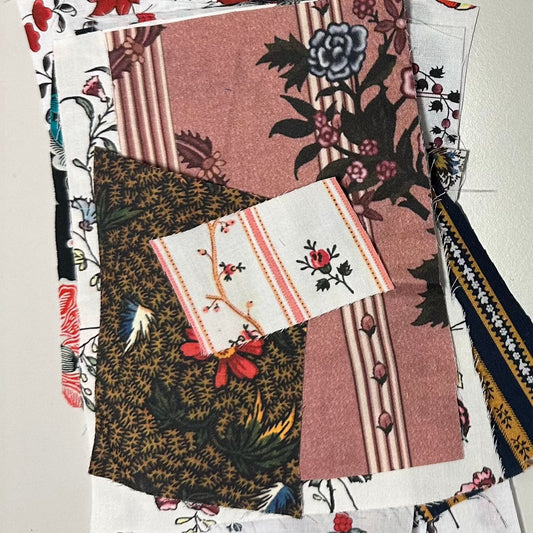
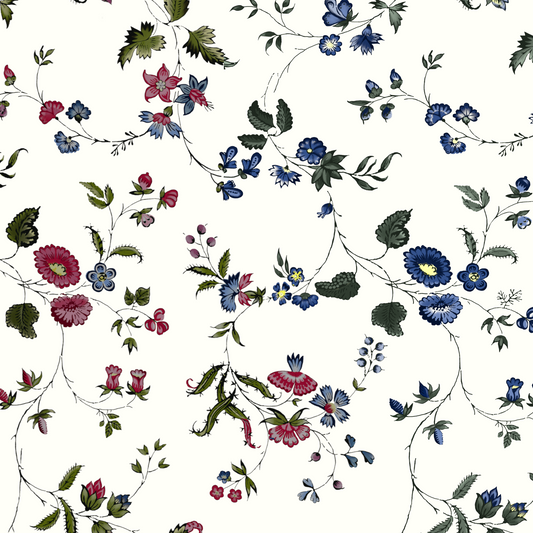
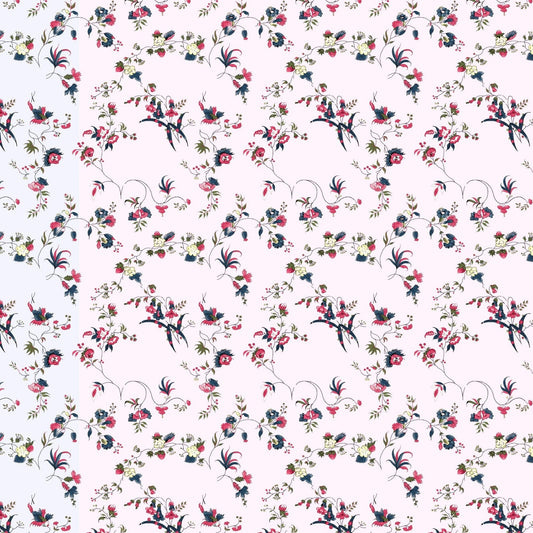
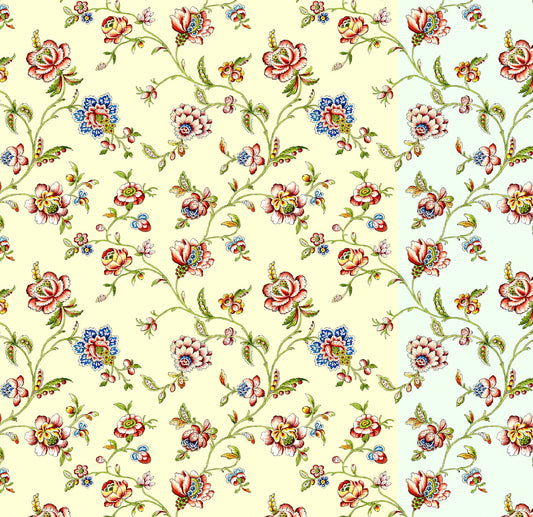
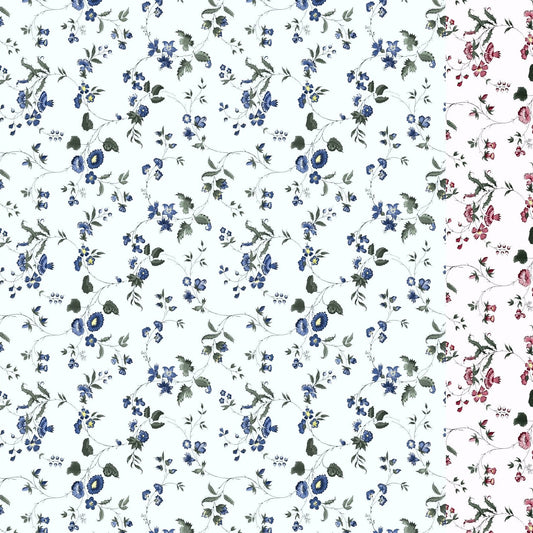
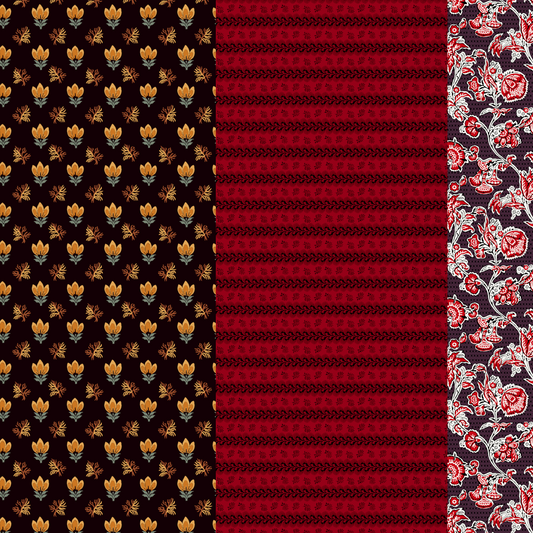
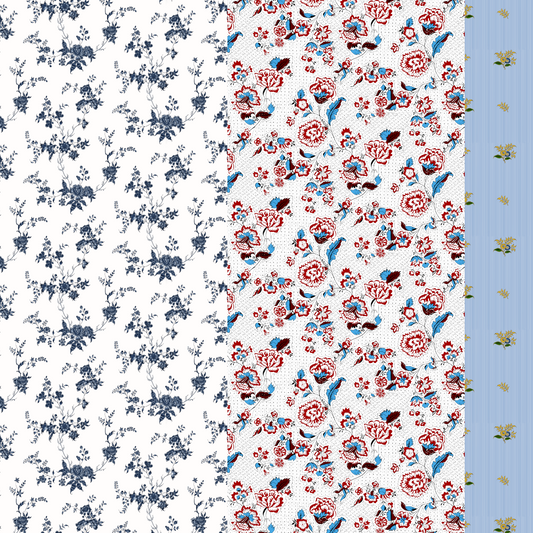
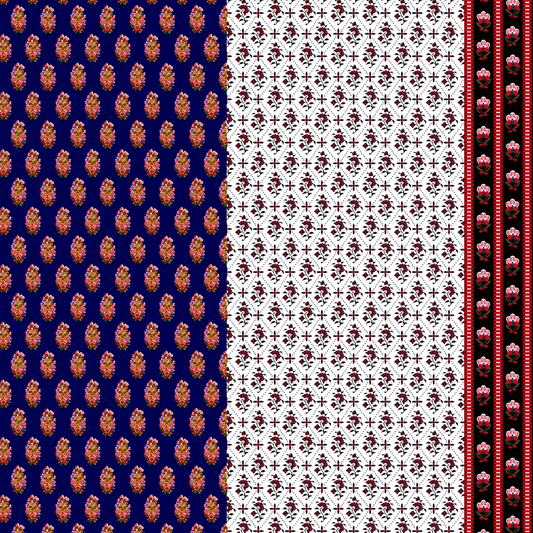
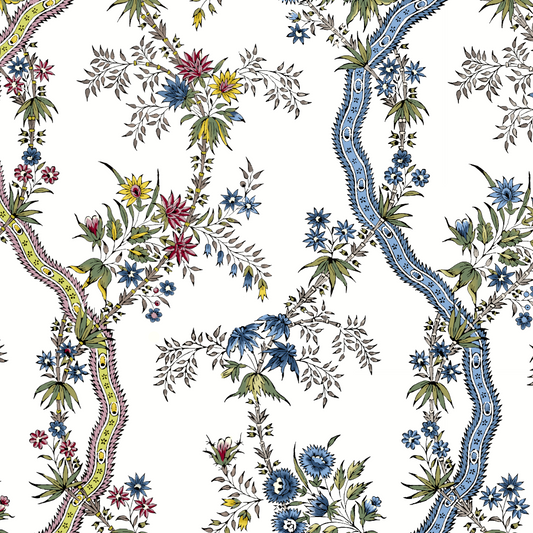
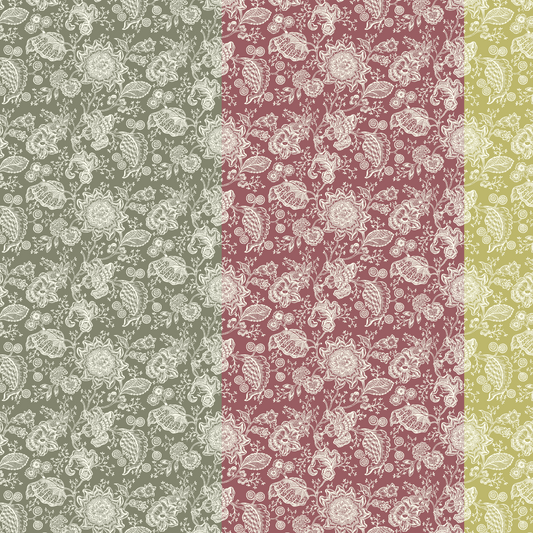
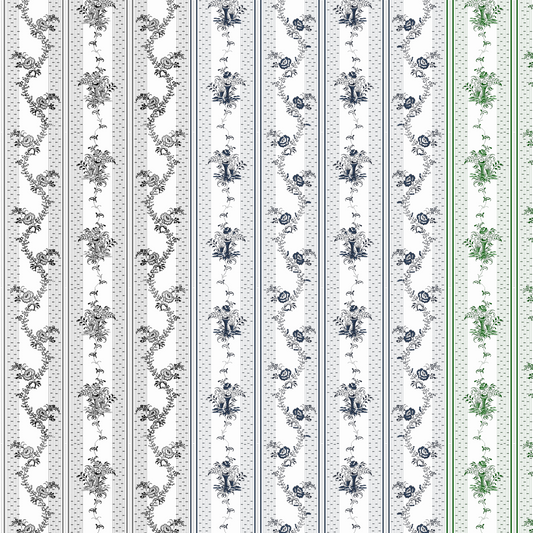
In this category, you'll find selected fabric samples – small textile pieces perfect for crafting, sewing, and traditional projects. Some of the larger samples were originally made by customer request, for example, as lining inside a folk costume cap or for small items like pockets and mini pouches.

If you’re looking for a specific fabric, size, or color not shown here, feel free to reach out – I’m happy to help bring your idea to life.

A few intersting topics to help you start a conversation when meeting someone new at a ball.

Catching Up – Briefly

Baroque Fabrics (1600–1700): Silk, Velvet, Brocade and Lace

Fabrics used during the Baroque period (late 16th to late 17th century) included silk, velvet, brocade, lace, and damask, all contributing to the rich and elaborate garments characteristic of the era.

The Baroque period was defined by opulence, dramatic expression, and intricate detailing. Textiles played a central role in communicating wealth and status, with richly woven fabrics, deep colours, and layered textures used in both court fashion and ceremonial dress.

Common uses during the Baroque period

– silk for gowns, bodices, and decorative garments
– velvet for coats, cloaks, and formal wear
– brocade for court dress and structured garments
– lace for collars, cuffs, and ornamental detailing
– damask for garments, furnishings, and interiors

Brocade fabrics in the Baroque era

Brocade was one of the most iconic fabrics of the Baroque period, known for its raised woven patterns often incorporating metallic threads. It was widely used for formal garments such as gowns, doublets, and waistcoats, reflecting wealth and prestige.

Velvet fabrics in the Baroque era

Velvet was highly valued for its deep pile and rich texture. It added visual depth and softness to garments and was frequently used in outerwear, court attire, and ceremonial clothing.

Silk fabrics in the Baroque era

Silk was central to Baroque fashion, appreciated for its smooth surface and ability to carry vibrant dyes. It was used across a wide range of garments, from structured bodices to flowing decorative elements.

Lace in Baroque fashion

Lace played an essential decorative role, often applied to collars, cuffs, and ruffs. Its delicate patterns contrasted with heavier fabrics, adding refinement and complexity to garments.

Damask fabrics in the Baroque era

Damask, with its reversible woven patterns, was used for both garments and interiors. Its intricate designs reflected the ornamental aesthetic of the Baroque period.


Looking for historically inspired fabrics?

Explore our collection of 17th and 18th century textiles suitable for historical dressmaking, costume design, and reenactment projects.

Also searched as:

barock tyg, historiskt tyg 1600-tal
Stoff Barock 17. Jahrhundert, historischer Stoff Seide
バロック 時代 生地, 歴史的 衣装 布
tecido barroco, tecido histórico século XVII

18th Century Fabrics: Cotton, Linen, Silk and Wool

Fabrics used in the 18th century included cotton, linen, silk, and wool, each suited for different garments such as gowns, jackets, undergarments, and everyday clothing.

During the 18th century, textiles played a central role in both fashion and daily life. Developments in textile production made certain fabrics more accessible, while luxury materials such as silk continued to signal wealth and status. Fabrics were used not only for clothing but also for upholstery and household textiles.

Common uses in the 18th century

– cotton for dresses, jackets, and printed garments
– linen for shirts, shifts, and undergarments
– silk for gowns, waistcoats, and formal attire
– wool for coats, jackets, and everyday wear

Cotton fabrics in the 18th century

Cotton became increasingly popular due to advancements in textile manufacturing. It was more affordable than silk and widely used for a range of garments, from underlayers to outerwear. Printed cotton fabrics, often decorated with floral motifs, were especially fashionable.

Linen fabrics in the 18th century

Linen was valued for its lightweight and breathable qualities. It was commonly used for garments worn close to the skin, such as shirts and shifts, as well as for household textiles like tablecloths and napkins.

Silk fabrics in the 18th century

Silk was one of the most luxurious fabrics of the period, associated with wealth and refinement. It was used for formal garments, including gowns and waistcoats. Variations such as satin, taffeta, and brocade offered different textures and visual effects.

Wool fabrics in the 18th century

Wool was essential for everyday clothing due to its durability and warmth. It was widely available across Europe and used for garments such as coats, jackets, and practical attire. Finer types of wool were valued for their softness and quality.


Looking for historically inspired fabrics?

Explore our collection of 18th century textiles suitable for dressmaking, historical costume, and reenactment projects.

Also searched as:

historiskt tyg 1700-tal, tyg 18th century
Stoff 18. Jahrhundert, historischer Baumwollstoff
18世紀 生地, 歴史的 衣装 布
tecido século XVIII, tecido histórico algodão

Victorian Fabrics (1837–1901): Cotton, Wool, Silk and Structured Textiles

Fabrics used during the Victorian era (1837–1901) included cotton, wool, silk, and structured textiles, each chosen for garments such as dresses, coats, undergarments, and formal wear.

During the Victorian era, clothing was made from a wide range of fabrics, each selected for its texture, durability, and social meaning. Industrial advancements expanded textile production, making certain fabrics more widely available, while others remained associated with status and refinement.

Common uses in the Victorian era

– cotton for dresses, undergarments, and everyday wear
– wool for coats, jackets, and structured garments
– silk for evening wear and formal attire
– specialty fabrics for mourning, workwear, and seasonal clothing

Key fabrics of the Victorian era

Bombazine – A twilled fabric, usually made with a silk warp and worsted weft, traditionally dyed black and worn for mourning garments.

Calico – A plain, unbleached cotton cloth, widely used for undergarments, linings, and practical household sewing.

Gabardine – A tightly woven, durable fabric favored for coats, suits, and outerwear due to its weather-resistant qualities.

Moleskin – A heavy cotton fabric with a soft surface, commonly used for durable workwear and trousers.

Muslin – A fine, lightweight cotton, frequently used for dresses, linings, and delicate accessories.

Nankeen – A yellow-toned cotton fabric originally imported from China, later produced in Europe for everyday garments.

Organdie – A crisp, sheer cotton fabric that held its shape well, ideal for summer dresses and decorative elements.

Poplin – A strong, plain-weave fabric with subtle ribbing, used for dresses, children’s clothing, and everyday garments.

Satin – A smooth, glossy fabric, often made of silk, associated with luxury and used for formal and evening wear.

Tarlatan – A loosely woven, stiffened cotton used to give volume and structure to skirts and gowns.

Tweed – A textured wool fabric, traditionally produced in Scotland, commonly used for outdoor and country clothing.

Velvet – A rich pile fabric, soft to the touch and associated with elegance, used for formal garments and decorative clothing.

Worsted – A smooth wool fabric made from long fibers, ideal for tailored garments and structured silhouettes.


Looking for historically inspired fabrics?

Explore our collection of 19th century textiles suitable for dressmaking, historical costume, and reenactment projects.

Also searched as:

viktorianska tyger, tyg 1800-tal kläder
Stoff viktorianisch 19. Jahrhundert, historischer Stoff Kleidung
ヴィクトリア朝 生地, 歴史的 衣装 布
tecido vitoriano, tecido histórico século XIX

1840s Fabrics: Day, Evening and Trim in Romantic Fashion

Fabrics used in the 1840s included silk, wool, muslin, satin, and lace, carefully chosen for daytime dresses, evening gowns, and decorative trim in Romantic-era fashion.

The 1840s marked a shift toward more structured silhouettes and refined colour palettes. Fabrics were generally heavier than in the 1830s, with an emphasis on depth of colour, texture, and subtle detailing rather than overt extravagance.

Daytime fabrics in the 1840s

Heavy twilled silks, scotch plaid velvet, oriental velvets, embroidered India muslins, striped satin, levantine silks, cashmere, shot or glacé silk, and wool were commonly used for daywear. These fabrics provided structure and durability while maintaining elegance.

Evening fabrics in the 1840s

Crepe, organdie, satin, lace, and shot or glacé silk were preferred for evening gowns. These materials offered softness, sheen, and lightness, creating contrast with the heavier daytime fabrics.

Trim and decorative elements

Lace, fringe, flounces, scallops, frogging, buttons, bows, flowers, and draped details were used to enhance garments. Trims were often kept in matching or closely related tones to maintain a harmonious appearance.

Colours and patterns in the 1840s

Daytime colours included dark blue, black, grass green, teal, deep purple, brown, and muted shades of cream, tan, and gold. Evening wear featured lighter tones such as pale pink, soft blue, gold, and ivory, often contrasted with darker elements.

Patterns ranged from large plaids to small repeating figures, applied to both light and dark backgrounds. Printed wool fabrics and shawls introduced brighter combinations, while black lace over light satin remained a defining evening style.

Characteristic fabrics of the decade

One of the most distinctive textiles of the 1840s was “changeable” shot or glacé silk, known for its shifting colours created by weaving different coloured threads together. This fabric captured light beautifully and was widely used in both day and evening dress.


Looking for historically inspired fabrics?

Explore our collection of 19th century textiles suitable for dressmaking, historical costume, and reenactment projects.

Also searched as:

tyg 1840-tal, romantikens kläder tyg
Stoff 1840er Jahre, historischer Stoff Romantik
1840年代 生地, 歴史的 衣装 布
tecido 1840s, tecido histórico romantismo

Late 19th Century Fabrics (1870–1900): Silk, Wool, Cotton and Velvet

Fabrics used in the late 19th century included silk, wool, cotton, linen, and velvet, chosen for structured garments such as dresses, jackets, and formal evening wear.

By the late 1800s, textile production had evolved significantly due to industrial advancements. Materials that were once exclusive to the aristocracy—such as velvet, satin, and fine silks—became more widely available. Fashion shifted toward fuller silhouettes, heavier fabrics, and layered textures, reflecting both technological progress and changing social dynamics.

Common uses in the late 19th century

– wool for tailored jackets, skirts, and everyday garments
– cotton for undergarments, linings, and summer dresses
– linen for shirts, chemises, and breathable layers
– silk for gowns, bodices, and evening wear
– velvet for formal garments, capes, and decorative trims

Wool fabrics in the late 19th century

Wool remained a key material for structured clothing. It was valued for its durability and warmth, making it suitable for jackets, walking skirts, and practical garments.

Cotton fabrics in the late 19th century

Cotton was widely used across all social classes due to its affordability and versatility. It appeared in undergarments, petticoats, linings, and lightweight dresses.

Linen fabrics in the late 19th century

Linen continued to be used for garments worn close to the skin, appreciated for its breathable and cooling properties, especially in warmer climates.

Silk fabrics in the late 19th century

Silk played a central role in formal and evening wear. Plain silks were used for gowns and cloaks, while brocades added texture and visual richness through woven patterns.

Velvet and decorative silks

Silk velvet became a defining fabric of late Victorian fashion, known for its depth and softness. Lighter silk fabrics such as chiffon introduced contrast, adding softness to structured silhouettes.


Looking for historically inspired fabrics?

Explore our collection of 19th century textiles suitable for dressmaking, historical costume, and reenactment projects.

Also searched as:

tyg sent 1800-tal, historiskt tyg viktorianiskt
Stoff 19. Jahrhundert spät, viktorianischer Stoff
19世紀 後半 生地, 歴史的 衣装 布
tecido final do século XIX, tecido histórico vitoriano

Romanticism fabrics (1780–1850): silk, cotton and wool explained

Fabrics used during the Romanticism period (late 18th to mid-19th century) included silk, cotton, and wool, each suited for different garments such as gowns, jackets, and everyday clothing.

During the late 18th to mid-19th century, known as the Romanticism period, textiles played a central role in fashion and identity. Advancements in production during the Industrial Revolution made fabrics more accessible, while traditional materials like silk and wool continued to define status and function.

Common uses during the Romanticism period

– silk for gowns, evening dresses, and formal wear
– cotton for daywear, undergarments, and lightweight garments
– wool for coats, jackets, and outerwear

Silk fabrics in the Romanticism era

Silk remained a luxurious and highly valued fabric during the Romanticism period. Its smooth texture, ability to hold vibrant colours, and intricate woven patterns made it ideal for formal gowns and decorative garments.

Cotton fabrics in the Romanticism era

Cotton became increasingly popular due to its affordability and versatility. Mechanized production made it widely available, allowing more people to access comfortable and breathable fabrics for everyday clothing.

Wool fabrics in the Romanticism era

Wool remained essential for practical clothing, particularly for outerwear. Its insulating properties made it suitable for colder climates, while its durability ensured long-lasting garments.


Looking for historically inspired fabrics?

Explore our collection of 18th and 19th century textiles suitable for dressmaking, historical costume, and reenactment projects.

Also searched as:

historiskt tyg romantiken, tyg 1800-tal
Stoff Romantik 19. Jahrhundert, historischer Stoff Baumwolle
ロマン主義 時代 生地, 歴史的 衣装 布
tecido histórico romantismo, tecido século XIX

Enlightenment Fabrics (1700–1800): Cotton, Linen, Wool and Silk

Fabrics used during the Enlightenment period (18th century) included cotton, linen, wool, and silk, each suited for garments such as dresses, jackets, undergarments, and formal attire.

The Enlightenment era brought not only intellectual change but also developments in textile production and trade. Fabrics became more accessible, and clothing reflected both practical needs and evolving ideas of refinement and individuality. Natural fibres dominated, with regional variations depending on climate, trade, and social status.

Common uses in the 18th century

– cotton for dresses, printed garments, and lightweight clothing
– linen for shirts, shifts, undergarments, and linings
– wool for coats, jackets, and everyday wear
– silk for gowns, waistcoats, and formal attire

Cotton fabrics in the Enlightenment era

Cotton gained popularity during the 18th century, initially imported from India and later produced in Europe. It was valued for its versatility and became widely used for dresses and everyday garments. Printed cotton fabrics with floral motifs and simple patterns were especially fashionable.

Linen fabrics in the Enlightenment era

Linen was one of the most commonly used fabrics of the period. It was durable, breathable, and suitable for garments worn close to the skin, including shirts, shifts, caps, and aprons. Linen was also widely used for household textiles.

Wool fabrics in the Enlightenment era

Wool remained essential for practical clothing. It provided warmth and durability, making it suitable for outerwear and everyday garments. Variations such as worsted wool, flannel, and broadcloth offered different textures and levels of refinement.

Silk fabrics in the Enlightenment era

Silk was associated with luxury and status, commonly used for formal garments such as gowns, waistcoats, and decorative elements. Its smooth surface and ability to hold colour made it highly desirable in elite fashion.


Looking for historically inspired fabrics?

Explore our collection of 18th century textiles suitable for dressmaking, historical costume, and reenactment projects.

Also searched as:

historiskt tyg upplysningen, tyg 1700-tal
Stoff Aufklärung 18. Jahrhundert, historischer Baumwollstoff
18世紀 啓蒙時代 生地, 歴史的 衣装 布
tecido iluminismo, tecido século XVIII

Classicism Fabrics (1650–1720): Silk, Wool, Cotton and Linen

Fabrics used during the Classicism period (mid-17th to early 18th century) included silk, wool, cotton, and linen, each suited for garments such as gowns, coats, undergarments, and formal attire.

During the period of Classicism, textiles reflected ideals of order, balance, and refinement. Fabrics were selected not only for their practical qualities but also for their ability to convey elegance and social standing. Natural fibres dominated, with variations in weave, weight, and decoration depending on use and status.

Common uses during the Classicism period

– silk for gowns, decorative garments, and formal wear
– wool for coats, jackets, and structured clothing
– cotton for printed garments and everyday wear
– linen for undergarments, linings, and breathable layers

Silk fabrics in the Classicism period

Silk was highly valued for its smooth texture and luminous surface. It was widely used for garments that expressed refinement and wealth, often featuring woven patterns or subtle decorative designs.

Wool fabrics in the Classicism period

Wool offered versatility and durability, making it suitable for both practical clothing and more formal outerwear. Different weaves and finishes allowed wool to be adapted for a range of garments.

Cotton fabrics in the Classicism period

Cotton became increasingly popular with the import of printed textiles from India. Floral patterns and simple motifs made cotton fabrics desirable across different social groups, combining practicality with decorative appeal.

Linen fabrics in the Classicism period

Linen remained essential for garments worn close to the skin, valued for its breathability and strength. It was commonly used for shirts, shifts, and linings, as well as certain outer garments.


Looking for historically inspired fabrics?

Explore our collection of 17th and early 18th century textiles suitable for dressmaking, historical costume, and reenactment projects.

Also searched as:

historiskt tyg klassicism, tyg 1600-1700-tal
Stoff Klassizismus 17. Jahrhundert, historischer Stoff Baumwolle
17世紀 生地, 古典主義 衣装 布
tecido classicismo, tecido histórico século XVII

Historic Fabrics: Silk, Wool, Cotton and Luxury Textiles Through Time

Throughout history, fabrics such as silk, linen, wool, cotton, and velvet have been used for garments, decoration, and trade, reflecting wealth, identity, and craftsmanship across cultures.

Across centuries, textiles have carried stories of trade, empire, and artistry. Certain fabrics were valued not only for their material qualities but for the status and symbolism they represented. From royal courts to everyday life, fabrics shaped how people dressed, lived, and expressed identity.

Common uses across historical periods

– silk for gowns, formal garments, and luxury textiles
– linen for shirts, undergarments, and household use
– wool for outerwear, coats, and durable clothing
– cotton for everyday garments and printed textiles
– decorative fabrics for interiors, ceremony, and status

Silk

First cultivated in ancient China, silk became synonymous with refinement and power. Its shimmering surface and smooth texture made it ideal for luxury garments and trade, shaping connections across continents.

Linen

Spun from flax, linen was valued for its strength and breathability. It was widely used in ancient cultures for clothing worn close to the skin as well as for household textiles.

Wool

Wool has been essential for centuries due to its warmth and resilience. It was used for both practical garments and refined textiles, adapting to different climates and social contexts.

Cotton

Originating in the Indian subcontinent, cotton transformed textile production through its softness and versatility. It became widely used for everyday clothing and printed fabrics.

Cashmere

Derived from fine goat fibres, cashmere was associated with luxury and softness. It was prized in regions such as Persia and India for high-quality garments and shawls.

Velvet

Velvet, with its dense pile and rich appearance, symbolised opulence. It was commonly used for garments and interiors associated with nobility and ceremonial settings.

Brocade

Brocade fabrics featured intricate woven patterns, often with metallic threads. They were used in courts and formal settings, showcasing craftsmanship and status.

Leather

Leather has been used since prehistoric times for clothing, armour, and practical goods. Its durability made it essential across cultures and periods.

Fur

Fur provided warmth in colder regions and became a symbol of status when used in garments and linings.

Tapestry

Tapestry combined textile and art, used in interiors to display stories, status, and cultural identity.


Looking for historically inspired fabrics?

Explore our collection of historical textiles suitable for dressmaking, costume design, and reenactment projects.

Also searched as:

historiska tyger, tyg historia textilier
historische Stoffe, Stoff Geschichte Textilien
歴史的 生地, テキスタイル 歴史
tecidos históricos, tecidos antigos

Reproduction of Historical Fabrics: Materials, Methods and Applications

Historical fabric reproduction involves recreating textiles from the past using accurate materials, colours, and techniques, suitable for dressmaking, costume design, reenactment, and museum use.

Reproducing historical fabrics requires a combination of research, technical knowledge, and craftsmanship. The goal is to recreate textiles that reflect the appearance, structure, and character of original fabrics, allowing them to be used in both practical and academic contexts.

Research and documentation

The process begins with detailed research. Historical sources such as paintings, surviving garments, fabric fragments, and written descriptions are studied to understand materials, weaving techniques, patterns, and colour palettes. This step ensures historical accuracy and context.

Material selection

Natural fibres such as linen, wool, silk, and cotton are selected to match the original fabric as closely as possible. Considerations include weight, weave, texture, and how the fabric behaves when worn or handled.

Printing and finishing

Once the base fabric is chosen, printing techniques are used to recreate historical patterns and colours. Designs are often developed from original sources, and colour palettes are adjusted to reflect natural dyes and period-specific tones. Finishing processes such as washing and pressing help achieve the correct appearance and handle.

Applications of reproduced fabrics

– historical dressmaking and garment construction
– costume design for film, theatre, and exhibitions
– historical reenactment and living history
– museum displays and academic research

Reproduced historical fabrics create a tangible connection to the past, allowing both makers and audiences to experience historical textiles in a meaningful and practical way.


Looking for historically inspired fabrics?

Explore our collection of historically accurate textiles suitable for dressmaking, costume design, and reenactment projects.

Also searched as:

historiska reproduktionstyger, tyg rekonstruktion
historische Stoffreproduktion, Stoff Rekonstruktion
歴史的 生地 再現, テキスタイル 再現
reprodução tecido histórico, tecido histórico reprodução

Gazette des atours de Marie-Antoinette (1782): Fabrics, Fashion and Royal Wardrobe

The “Gazette des atours de Marie-Antoinette” (1782) documents the fabrics, garments, and daily wardrobe of the French queen, offering detailed insight into 18th century dressmaking and royal fashion.

The Gazette des atours de Marie-Antoinette provides a rare and detailed record of the Queen’s wardrobe during the year 1782. It documents not only the garments she wore, but also the fabrics, colours, suppliers, and decisions behind each outfit. This makes it one of the most valuable sources for understanding late 18th century fashion at court.

What the Gazette reveals

– fabrics used in royal dressmaking, including silk, taffeta, and printed cotton
– daily outfit selections and seasonal variations
– suppliers, dressmakers, and textile sources
– colour choices and combinations in court fashion

Fabrics in Marie-Antoinette’s wardrobe

The Gazette highlights the importance of silk fabrics in royal fashion, including taffeta, satin, and other finely woven textiles. Printed cottons also appear, reflecting changing tastes and the growing influence of lighter materials in informal dress.

Fashion and influence in the late 18th century

Marie-Antoinette played a central role in shaping fashion trends across Europe. Her wardrobe choices influenced styles in both aristocratic and emerging bourgeois circles, making her one of the most significant fashion figures of the 18th century.

Historical importance

The Gazette serves as a key reference for historians, costume designers, and textile researchers. By documenting real garments and fabrics, it provides a foundation for accurate reconstructions and a deeper understanding of historical dress.


Looking for historically inspired fabrics?

Explore our collection of 18th century textiles suitable for dressmaking, historical costume, and reenactment projects inspired by original sources such as the Gazette des atours.

Also searched as:

Marie Antoinette tyg 1700-tal, historiskt tyg fransk hovdräkt
Stoff Marie Antoinette 18. Jahrhundert, französischer Hofstoff
マリーアントワネット 生地, 18世紀 フランス 衣装 布
tecido Marie Antoinette, tecido histórico francês século XVIII

Roller-Printed Fabrics: 18th Century Textile Innovation

Roller-printed fabrics are textiles decorated using a continuous rotary printing process, widely used from the late 18th century for dressmaking, furnishing, and historical textiles.

Roller-printed fabric refers to textiles decorated using a mechanical printing technique in which engraved cylinders transfer dye onto cloth. As the fabric moves beneath the rollers, patterns are applied with precision and consistency, allowing for repeated designs across large lengths of fabric.

Development and historical significance

Introduced in the late 18th century, roller printing transformed textile production. It enabled the rapid creation of detailed, multi-coloured patterns, making printed fabrics more accessible and widely used across Europe. This method quickly became central to the production of both fashion and interior textiles.

Common uses of roller-printed fabrics

– dress fabrics with floral and repeating patterns
– furnishing textiles such as curtains and upholstery
– table linens and household textiles
– printed cottons for everyday and decorative use

Design and printing characteristics

The final appearance of roller-printed fabrics depends on several factors, including the precision of the engraved cylinder, the composition and thickness of the dye, and the pressure applied during printing. These elements allow for a wide range of designs, from delicate florals to bold, complex patterns that defined entire periods of textile history.


Looking for historically inspired fabrics?

Explore our collection of printed textiles inspired by 18th and 19th century designs, suitable for dressmaking, historical costume, and reenactment projects.

Also searched as:

rulltryckt tyg, tryckt bomull tyg
Walzendruck Stoff, historischer Druckstoff Baumwolle
ローラープリント 生地, 歴史的 プリント 布
tecido estampado rolo, tecido histórico estampado

Block Printed Fabrics: Handcrafted Textile Technique

Block printed fabrics are textiles created by hand using carved wooden blocks to apply patterns, widely used in historical dressmaking, decorative textiles, and traditional craftsmanship.

Block printed fabric refers to textiles produced through a manual printing technique in which a design is carved into a wooden block, dipped in dye, and stamped onto cloth. This process is repeated by hand to build the full pattern, resulting in slight variations that give each fabric its unique character.

Historical origins of block printing

Block printing dates back to ancient civilizations, including India, China, and Egypt. It became an important method for decorating textiles long before industrial printing techniques were developed, especially for cotton fabrics with repeating floral and geometric designs.

Characteristics of block printed fabrics

– hand-applied patterns using carved wooden blocks
– slight variations and irregularities in the print
– rich colours, often inspired by natural dyes
– repeating motifs typical of historical textiles

Uses of block printed fabrics

– historical dressmaking and costume design
– traditional and artisan textiles
– home decor such as cushions, curtains, and table linens
– fashion garments with handcrafted character

Block printed fabrics are valued for their craftsmanship and authenticity, offering a direct connection to historical textile traditions and handmade production methods.


Looking for historically inspired fabrics?

Explore our collection of printed textiles inspired by 18th and 19th century designs, suitable for dressmaking, historical costume, and reenactment projects.

Also searched as:

blocktryckt tyg, handtryckt tyg bomull
Blockdruck Stoff, handgedruckter Baumwollstoff
ブロックプリント 生地, 手染め 布
tecido estampado manual, block print tecido

Calico Printing (18th Century): From Indian Cotton to European Industry

Calico printing in the 18th century transformed textile production, introducing printed cotton fabrics widely used for dressmaking, interiors, and everyday garments.

“Calico” originally referred to plain-woven cotton cloth from Calicut in India. These fabrics were strong, smooth, and well suited to printing, allowing artisans to apply vivid patterns using hand block printing techniques.

Development of calico printing

During the 18th century, calico printing spread across Europe, particularly in England and France. Improvements in dye chemistry and the introduction of roller printing made it possible to produce detailed, multicoloured designs on a large scale. This marked a major shift from handmade to mechanised textile production.

Common uses of printed calico

– dresses and lightweight garments
– printed cotton fabrics for everyday wear
– furnishing textiles such as curtains and upholstery
– decorative household textiles

Design and patterns

Calico fabrics were often decorated with floral motifs, exotic scenes, and repeating geometric patterns inspired by Indian textiles. These designs became highly fashionable and influenced European taste throughout the 18th century.

Historical significance

Printed cottons replaced heavier silks and wools in many applications, offering lighter, more colourful alternatives. Calico printing became both an art and an industry, representing innovation, global trade, and the cultural exchange that defined the Enlightenment era.


Looking for historically inspired fabrics?

Explore our collection of printed cotton textiles inspired by 18th century designs, suitable for dressmaking, historical costume, and reenactment projects.

Also searched as:

kalikotryck tyg, tryckt bomull 1700-tal
Kaliko Druck Stoff, Baumwollstoff 18. Jahrhundert
キャリコ プリント 生地, 18世紀 綿 布
tecido chita estampado, algodão estampado século XVIII

Historical Fabric: Meaning, Preservation and Cultural Significance

Historical fabric refers to physical materials and structures from the past, including textiles, garments, buildings, and artifacts, used to understand cultural, social, and artistic history.

The term “historical fabric” describes tangible remnants of earlier periods, ranging from textiles and clothing to architecture and objects. In textile history, it often refers specifically to fabrics and materials that reflect historical production methods, design traditions, and cultural identity.

What historical fabric includes

– textiles such as cotton, silk, wool, and linen
– historical garments and costume elements
– decorative and furnishing fabrics
– architectural materials and built heritage
– artifacts and objects connected to daily life

Significance of historical fabric

Preserving historical fabric is essential for maintaining a connection to the past. These materials provide insight into how people lived, dressed, and expressed identity. In textile history, fabrics reveal information about trade, craftsmanship, technology, and social structure.

Challenges in preservation

Historical materials are vulnerable to decay, environmental conditions, and human impact. Urban development, neglect, and limited resources can threaten their survival. Textile preservation in particular requires careful handling due to the fragility of fibres and dyes.

Methods of preservation

– documentation and research of original materials
– conservation and restoration techniques
– controlled storage and environmental conditions
– adaptive reuse of historical textiles and materials
– public education and exhibition

By preserving historical fabric, both physical and textile-based, we retain valuable knowledge about craftsmanship, design, and cultural heritage across generations.


Looking for historically inspired fabrics?

Explore our collection of textiles inspired by historical fabrics, suitable for dressmaking, costume design, and reenactment projects.

Also searched as:

historiskt tyg definition, historiska textilier
historische Stoffe Definition, Textilien Geschichte
歴史的 生地 意味, テキスタイル 歴史
tecido histórico definição, tecidos antigos

Batik Printing (1700s): Wax-Resist Textile Technique

Batik printing in the 18th century is a wax-resist dyeing technique used on cotton, silk, and other natural fabrics, widely applied in historical textiles, garments, and decorative cloth.

Batik printing was primarily done by hand during the 1700s, making it a time-consuming and highly skilled process. The finished fabrics were valued for their intricate patterns and craftsmanship, and were used for clothing, interiors, and ceremonial purposes across Asia and beyond.

Historical use of batik printing

Batik was widely practiced in regions such as Indonesia, India, and China. The technique relied on natural materials and traditional knowledge, producing textiles that reflected local culture, symbolism, and artistic expression.

Common uses of batik fabrics

– garments and traditional clothing
– decorative textiles and interiors
– ceremonial and religious fabrics
– handcrafted artisan textiles

Design preparation

Artisans began by sketching patterns onto fabric, often inspired by nature, geometric forms, or cultural motifs. Designs commonly included floral elements, leaves, and symbolic figures.

Wax application

Hot wax was applied using a tool called a tjanting, allowing precise control of the design. The wax acted as a resist, protecting selected areas from dye.

Dyeing process

The fabric was dyed using natural pigments derived from plants, minerals, or insects. The dye penetrated only the unwaxed areas, creating contrast between colours and preserved patterns.

Wax removal and layering

After dyeing, the wax was removed by boiling the fabric. Multiple rounds of waxing and dyeing could be repeated to build complex, layered designs with depth and variation.

Batik printing remains an important textile tradition, valued for its craftsmanship, cultural significance, and connection to historical production methods.


Looking for historically inspired fabrics?

Explore our collection of printed textiles inspired by historical techniques, suitable for dressmaking, costume design, and reenactment projects.

Also searched as:

batik tyg, vaxtryckt tyg historiskt
Batik Stoff, Wachsresist Druck Stoff
バティック 生地, ろうけつ染め 布
tecido batik, estamparia cera tecido

Indigo Dyeing (18th Century): Natural Blue Textile Tradition

Indigo dyeing in the 18th century was a natural dyeing process used on cotton, linen, and silk fabrics, creating deep blue textiles for garments, workwear, and decorative use.

In the 18th century, indigo dyeing combined craftsmanship with complex chemical processes. Derived from the Indigofera tinctoria plant, the dye required careful preparation, including harvesting, fermentation, and oxidation. This knowledge was highly valued and often closely guarded by skilled dyers.

How indigo dyeing works

Fabrics were dipped into indigo vats multiple times. When removed from the liquid, the material appeared green at first, then gradually turned deep blue as it reacted with oxygen in the air. This transformation made indigo dyeing both visually striking and technically unique.

Common uses of indigo-dyed fabrics

– cotton fabrics for everyday clothing
– linen textiles for workwear and household use
– silk fabrics for decorative and refined garments
– printed and resist-dyed textiles such as block print and batik

Historical significance

Indigo became one of the most important dyes in global trade during the 18th century. Its rich, durable colour symbolised craftsmanship and was widely used across different social classes, from practical garments to luxury textiles.

Indigo-dyed fabrics represent a connection between natural resources, traditional knowledge, and international trade, making them a defining element of historical textile production.


Looking for historically inspired fabrics?

Explore our collection of textiles inspired by traditional dyeing techniques, suitable for dressmaking, historical costume, and reenactment projects.

Also searched as:

indigofärgning tyg, blått färgat tyg historiskt
Indigo Färbung Stoff, historischer blauer Stoff
藍染 生地, インディゴ 染め 布
tecido índigo, tingimento azul tecido histórico

Fabric Screen Printing (1700s): Early Textile Printing Technique

Fabric screen printing in the 18th century was a stencil-based technique using fine mesh screens to transfer detailed patterns onto textiles, used for decorative fabrics and early printed cottons.

During the 1700s, screen printing was an early method for applying designs to fabric. Screens made from silk or other fine mesh materials were used to control the placement of dye, allowing artisans to create repeating patterns with precision.

How screen printing worked

The process involved preparing a stencil on a mesh screen. The screen was placed over the fabric, and dye or pigment was pressed through the open areas of the mesh. This allowed the design to transfer onto the textile in controlled layers.

Common uses of screen printed fabrics

– decorative textiles with repeating patterns
– printed cotton fabrics for garments
– furnishing fabrics and interior textiles
– patterned cloth for regional and artisanal use

Design and characteristics

Screen printing allowed for more detailed and consistent designs compared to earlier hand methods. Patterns often included florals, geometric motifs, and repeating decorative elements, reflecting both local traditions and emerging textile trends.

Historical development

While block printing remained dominant during the 18th century, screen printing techniques gradually developed alongside it. Improvements in materials and tools allowed for greater complexity and precision, paving the way for modern textile printing methods.


Looking for historically inspired fabrics?

Explore our collection of printed textiles inspired by 18th and 19th century designs, suitable for dressmaking, historical costume, and reenactment projects.

Also searched as:

screentryckt tyg, historiskt tryckt tyg
Siebdruck Stoff, historischer Druckstoff
スクリーンプリント 生地, 歴史的 プリント 布
tecido serigrafia, estamparia tecido histórico