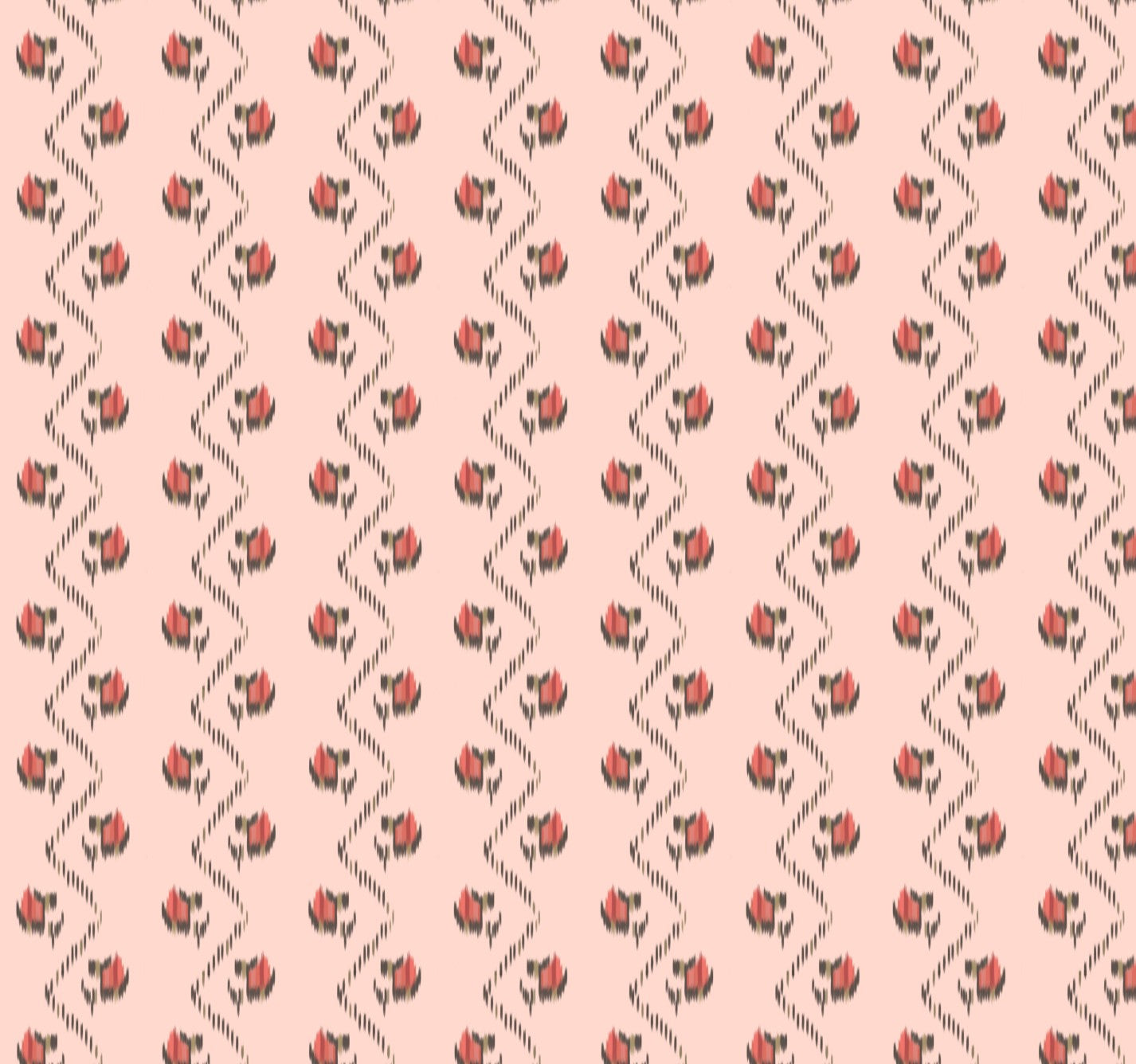
1770 Belle van Zuylen SILK
1770 Belle van Zuylen SILK
Design reference nr:
SKU:48200084
Couldn't load pickup availability
1770–1780 Chiné Rose Trellis
Inspired by an original late 18th century dress, this elegant textile design reflects the refined floral aesthetics of the Rococo and early Neoclassical periods. Delicate red floral sprigs framed within softly geometric zig-zag trellis forms create a graceful rhythm across the fabric, characteristic of fashionable silk designs used in aristocratic clothing and interiors during the 1770s.
The original inspiration was created in luxurious chiné silk taffeta with fine lace and layered textile details. This reproduction interpretation captures the romantic atmosphere of 18th century French and European court fashion while remaining versatile for modern historical sewing projects, interiors, and creative costume work.
Well suited for
Perfect for Robe à la Française gowns, petticoats, aprons, stomachers, jackets, bed hangings, cushions, theatrical costumes, and historically inspired interiors. The design works beautifully for 18th century sewing projects, museum-inspired recreations, romantic cottage interiors, and historically influenced contemporary garments.
This dress design could also become exceptionally beautiful when recreated in Cotton Voile or Cotton Poplin, offering a lighter and softer interpretation suitable for summer garments, informal historical wear, or elegant modern adaptations inspired by the 1770s.
Design & Historical Context
During the late Rococo period, floral silk textiles with structured repeating layouts became increasingly fashionable among aristocratic and wealthy merchant families throughout Europe. Chiné silks, delicate floral motifs, and softly flowing compositions reflected both refinement and status while also aligning with the growing taste for lighter silhouettes and more natural decorative forms.
The repeating floral arrangement seen here reflects the transition between the ornamental elegance of the Rococo period and the emerging balance and symmetry associated with early Neoclassicism. Designs of this type were commonly used in luxurious gowns, decorative furnishings, court presentations, salon culture, and sophisticated domestic interiors during the second half of the 18th century.

Reference Person:
Isabelle de Charrière (1740–1805), born Belle van Zuylen, was a Dutch-born French-language writer, composer, and intellectual associated with Enlightenment-era European salon culture. Her refined world of literature, correspondence, music, and aristocratic society reflects the sophisticated atmosphere in which textiles such as this would once have appeared.