1780 Lucy Terry - Pillow Front - 42 × 70 cm
1780 Lucy Terry - Pillow Front - 42 × 70 cm
Design reference nr:
SKU:46580090
Couldn't load pickup availability
Product Information
Product: Pillow front fabric panel – for a long pillow
Material: Cotton Linen 220 gsm
Size: Approximately 42 × 70 cm
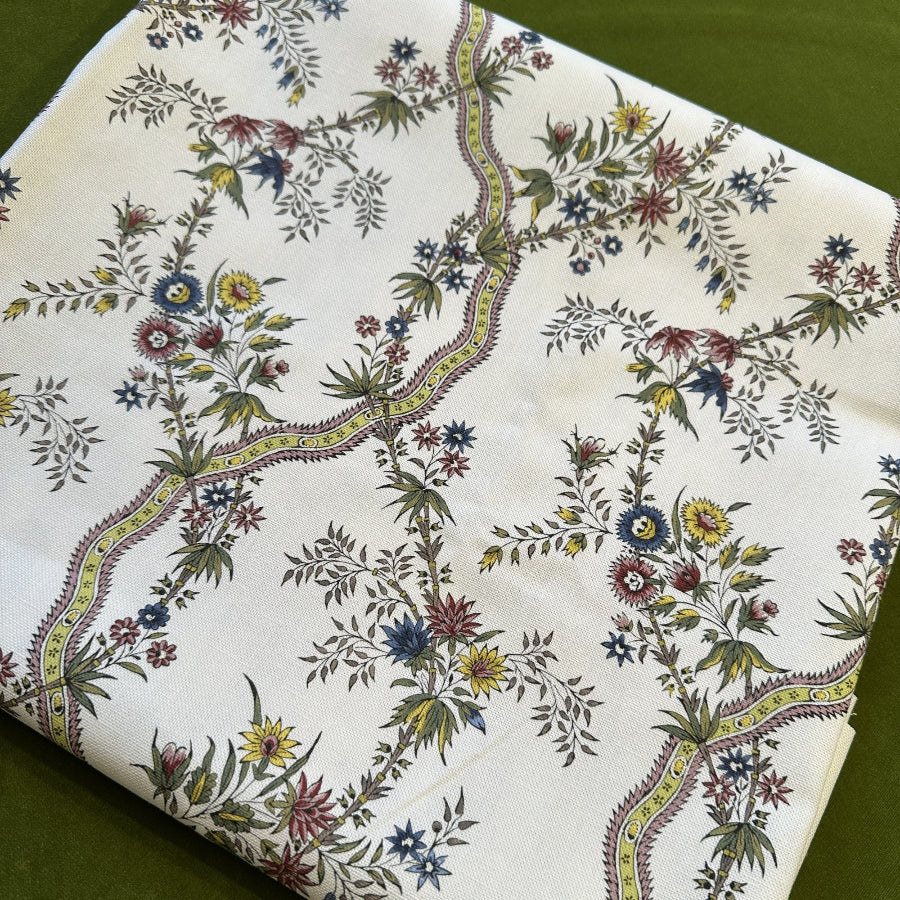
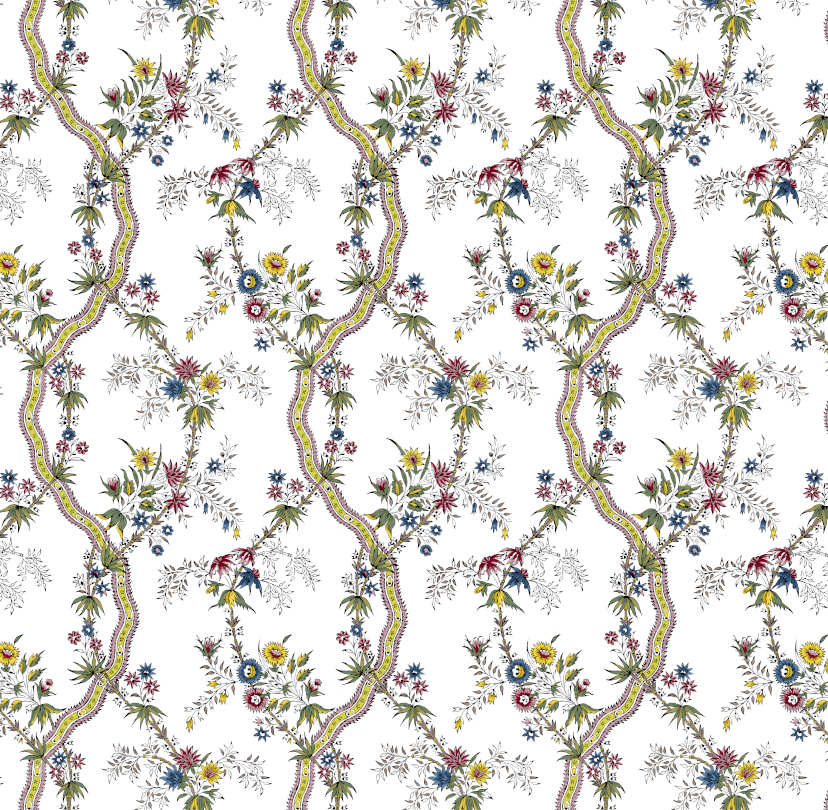
Design: Floral garlands with elegant vertical ribbon bands on light background
Period inspiration: Late 18th-century transitional French and Gustavian furnishing textiles

Size: Approximately 42 × 70 cm
Designed for long decorative pillows.
Pillow insert not included.
Sew elegant historical long pillows for your home and bring a refined late 18th-century atmosphere into your interior. The delicate floral garlands, colourful blossoms, and graceful vertical ribbon bands create a sophisticated composition inspired by manor houses, Gustavian interiors, and cultivated European homes.
The pillow front also makes a beautiful and thoughtful gift for anyone who loves historical interiors, sewing, textile art, cottage style décor, or elegant late 18th-century design.
Product Description
This elegant historical pillow front fabric is inspired by late 18th-century French transitional textiles, where the flowing softness of rococo design gradually evolved into the lighter symmetry of early neoclassicism. The design features delicate floral garlands, colourful botanical bouquets, and refined vertical ribbon bands arranged across a soft light background.
Printed on durable Cotton Linen 220 gsm, the fabric combines the natural texture of linen with the softness and versatility of cotton. The graceful floral compositions and decorative stripe elements reflect the refined furnishing textiles used in aristocratic homes, manor houses, and cultivated European interiors during the Gustavian and transitional late rococo period.
Well suited for
Ideal for sewing elegant historical long pillows, decorative cushions, refined cottage interiors, historical home décor, museum-inspired furnishing projects, Gustavian interiors, and thoughtful gifts for textile lovers. The balanced vertical composition also makes the fabric especially suitable for elongated pillows, benches, chaise lounges, and sophisticated interior styling inspired by the 18th century.
Design & Historical Context
During the late 18th century, furnishing textiles began moving away from the heavier asymmetry of earlier rococo interiors toward lighter and more structured compositions associated with early neoclassicism and Gustavian taste. Floral garlands, ribbon bands, botanical motifs, and airy decorative arrangements became highly fashionable in aristocratic and cultivated European homes.
The name Lucy Terry evokes the creative and expressive cultural atmosphere of the late 18th century, where literature, decorative arts, textiles, and personal refinement formed an important part of fashionable society and cultivated domestic life.