1800 Frances Anne Emily Marchioness
1800 Frances Anne Emily Marchioness
Design reference nr:
SKU:48500088
Couldn't load pickup availability
Product Description
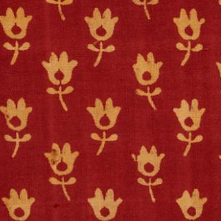
This historical floral fabric is inspired by an early 19th-century short gown from the Regency period around 1800. The design features small stylized red and yellow floral motifs arranged across a warm background, reflecting the cheerful elegance and practical everyday fashion popular during the transitional years between Georgian and Regency dress.
Reimagined on smooth cotton satin, the fabric combines decorative charm with lightweight practicality suitable for Regency open gowns, Spencer jackets, historical capes, short gowns, and museum reproduction sewing. The warm red, golden yellow, and soft neutral colour palette creates a lively yet refined appearance associated with early 1800s printed cotton textiles.
Well suited for
Ideal for Regency open gowns, round gowns, Spencer jackets, historical capes, transitional fashion c.1790–1800, historical reenactment clothing, lightweight outerwear, historical interiors, theatre costumes, doll clothes, and historical sewing projects.
Approximately four metres are recommended for a full Regency open gown depending on pattern layout and construction.
Design & Historical Context
During the Regency period, lightweight printed cotton fabrics with small floral motifs became highly fashionable for both informal and practical dress. Floral cottons were widely used for short gowns, wrappers, jackets, and everyday garments, balancing comfort, affordability, and decorative beauty.

Reference Person: Frances Anne Emily Vane-Tempest, Marchioness of Londonderry (1800–1865), Anglo-Irish heiress and Regency-era noblewoman.
Frances Anne Emily Marchioness of Londonderry was a wealthy Anglo-Irish heiress, landowner, and influential Regency-era noblewoman. Known for her opulence and strong social position, she inherited major estates and coal mining interests while also supporting schools and improvements for local communities connected to her estates.