1805 Jacobina Munsterhjelm
1805 Jacobina Munsterhjelm
Design reference nr:
SKU:48500090
Couldn't load pickup availability
Product Description
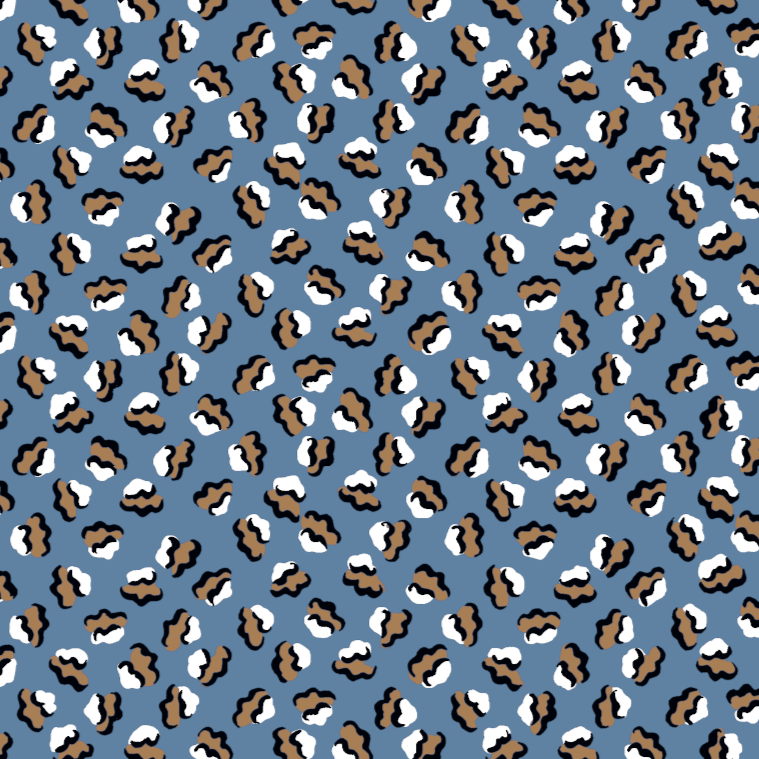
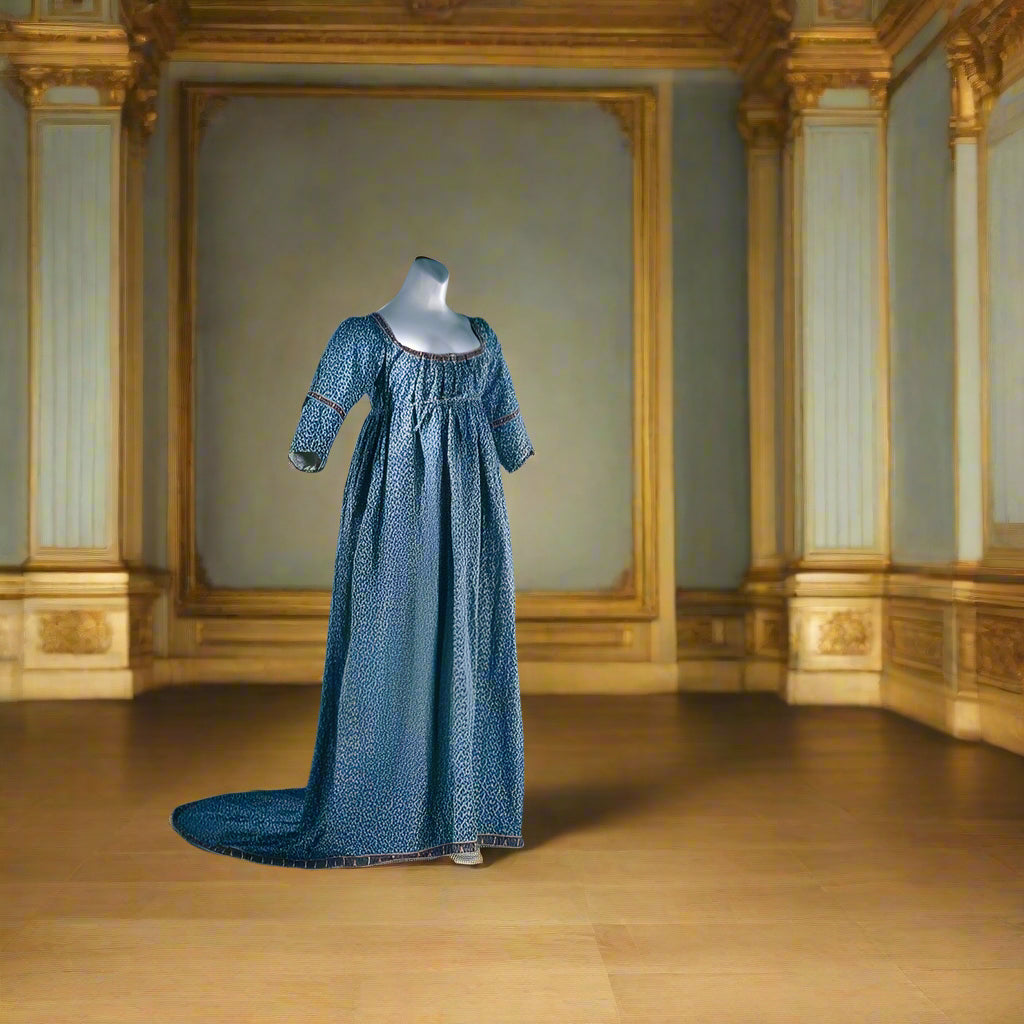
This historical cotton fabric design is inspired by an original British Regency dress dated around 1805. The pattern features irregular red, white, and black spotted motifs arranged across a rich blue ground, creating a lively and highly characteristic early 19th-century textile appearance.
The original gown was produced using block printing “to form” — a sophisticated textile printing technique where borders and garment sections were designed specifically for the construction of the dress. The result is a refined Regency-era textile especially suited for round gowns, transitional fashion, Empire dresses, trained gowns, and historical garments with gathered silhouettes and flowing movement.
This reconstructed design works beautifully for Regency dresses, Empire gowns, round gowns, pelisses, historical jackets, theatre costumes, reenactment clothing, doll clothes, and museum-inspired sewing projects. The small-scale repeat creates visual richness while remaining highly wearable and elegant in full garments.
Well suited for
– Regency dresses and Empire gowns
– Round gowns and transitional fashion (1790–1810)
– Historical dressmaking and reenactment clothing
– Pelisses and lightweight historical outerwear
– Theatre costumes and museum reproduction sewing
– Doll clothes and miniature historical garments
– Historical interiors and decorative textile projects
Design & Historical Context
The original dress originates from Great Britain and dates to approximately 1805, during the Regency and Napoleonic era. Printed cotton dresses of this type became fashionable throughout Europe due to their balance of comfort, elegance, and practicality.
The gathered high waistline, softly draped skirt, and flowing train reflect the neoclassical silhouette associated with Regency fashion. Small repeating motifs such as these were especially effective for dresses with movement, gathers, and soft folds, where the textile pattern became animated through the structure of the garment itself.
The spotted pattern creates an appearance sometimes compared to abstract leopard or jaguar-inspired motifs, while still remaining fully rooted in historical Regency textile aesthetics. The reconstructed design preserves the lively visual rhythm of the original gown while adapting it for modern historical sewing projects.
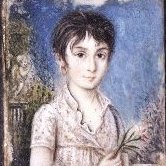
Reference Person: Jacobina Charlotta Munsterhjelm (1786–1842) was a Finnish noblewoman known for the detailed diary she kept between 1799 and 1801. Written in Swedish, her writings provide a rare insight into aristocratic everyday life, fashion, literature, and social customs in Finland during the Regency period. Her world reflects the same refined cultural environment in which elegant printed cotton gowns such as this became fashionable.