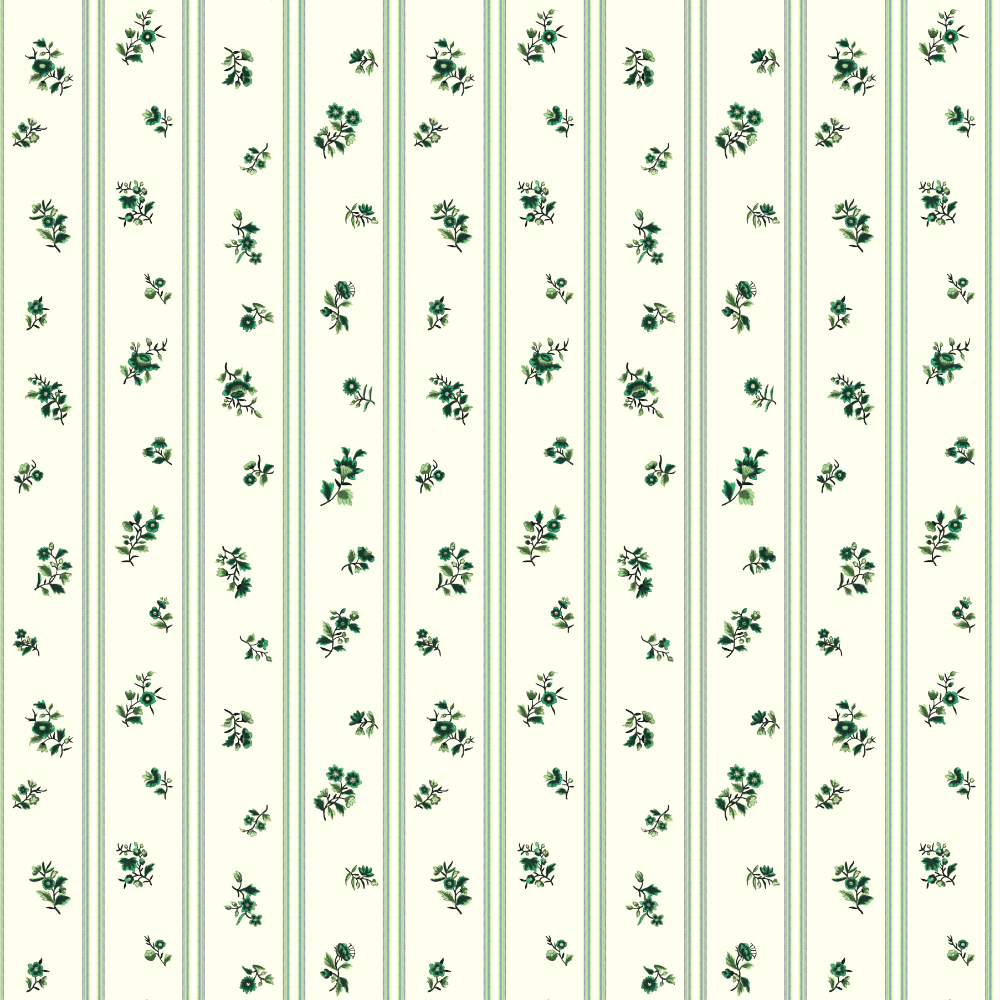
1770 Ulla von Höpken
1770 Ulla von Höpken
Design reference nr:
SKU:48100233
Couldn't load pickup availability
French Striped Floral Silk Fabric Design
Product Description
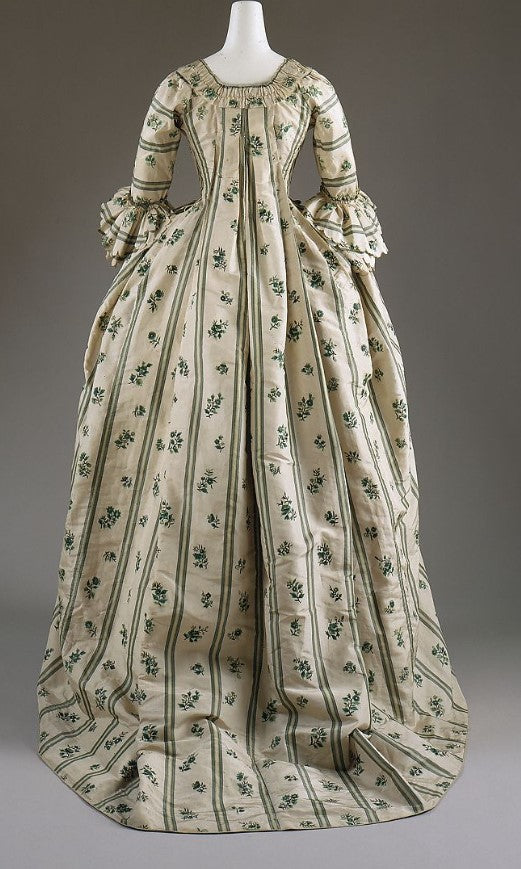
This historical fabric design is inspired by an original French silk Robe à la Française dating from approximately 1750–1775. The design reflects the refined elegance of Rococo fashion, with graceful stripes, delicate botanical motifs, and the soft hand-painted character associated with eighteenth-century silk textiles.
The pattern has not been modernised, but carefully developed to preserve the light, painterly feeling of the original period. Its vertical striped composition makes it suitable both for historical dressmaking and for decorative eighteenth-century inspired interiors.
Well suited for
- Robe à la Française gowns
- Casaquin jackets and short gowns
- 18th century petticoats and skirts
- Rococo-inspired silk fabric projects
- Bed canopies and alcove curtains
- Historical interiors and decorative drapery
- Museum reproduction and living history projects
Design & Historical Context
The Robe à la Française was one of the most recognisable gown styles of the eighteenth century, known for its flowing back pleats, fitted bodice, wide skirt, and elegant formal silhouette. Striped floral silks were highly fashionable during the Rococo period and were used for both courtly dress and refined interiors.
This design works especially well for projects where a vertical stripe and botanical ornament are desired, such as a Robe à la Française, a casaquin jacket, or an eighteenth-century inspired bed canopy. The floral stripe rhythm gives the fabric a graceful period appearance without feeling heavy or overly formal.

Ulla von Höpken (1749–1810) Ulrika “Ulla” Eleonora von Höpken, born von Fersen, was one of the most celebrated personalities of the Gustavian era and is remembered as one of the famous “Three Graces” of the Swedish court. Her world of fashion, elegance, and cultural refinement reflects the same aristocratic ideals that shaped many of the beautiful silk textiles worn throughout eighteenth-century Europe.
```