19th Century Nordic Folk Costumes: A Rich Tradition
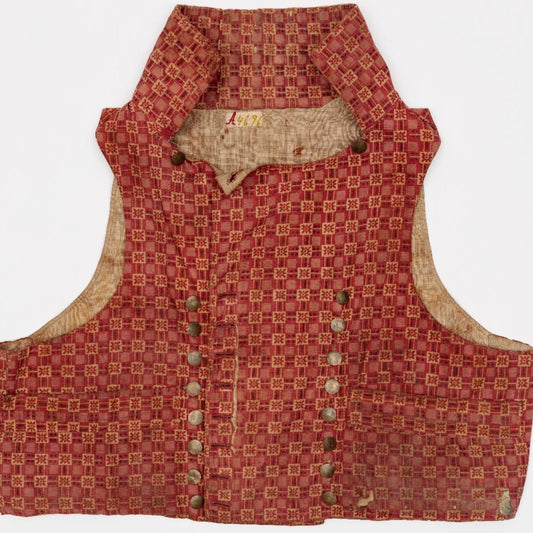
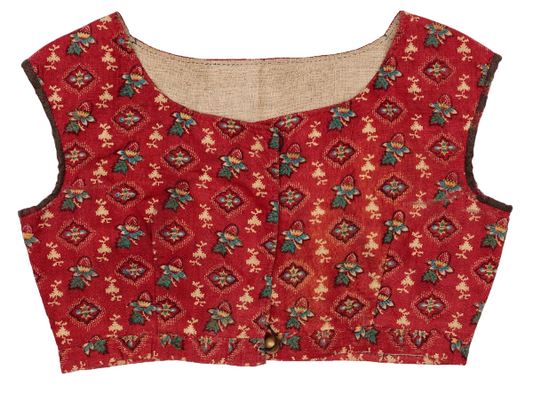
Nordic folk costumes from the 19th century reflect the vibrant cultural heritage of rural communities across Scandinavia. Rooted in festive attire worn by everyday people during the 18th and 19th centuries, these costumes are carefully preserved and recreated today by artisans and enthusiasts alike, often inspired by authentic designs showcased in Nordic museums.
Each region boasts distinct styles, colours and patterns, making these costumes a fascinating mosaic of local identity. Norway’s iconic “bunad” exemplifies this diversity, blending traditional 18th- and 19th-century rural garments with modern folk costume influences, all born from 19th-century national romanticism that sought to revive and celebrate Nordic heritage.
Originally worn for daily work, church services and special occasions, folk dress evolved over time, embracing subtle influences from international fashion alongside local creativity. This led to an increase in regional variations throughout the 19th century, with each costume telling a unique story of place and people.
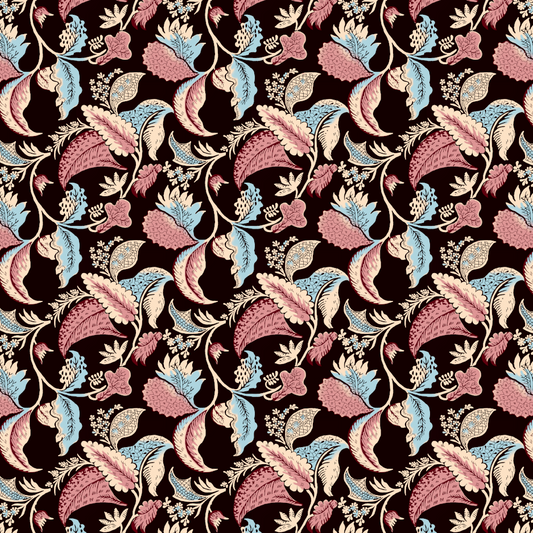
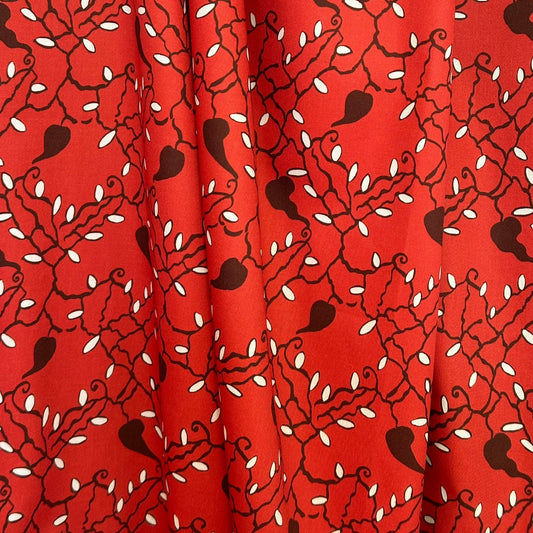
Fabric choices varied widely based on region and social status. Common materials included durable wool, breathable linen and soft cotton, while silk — reserved for the wealthier — added a touch of luxury. These rich textiles, combined with intricate embroidery and patterns, make 19th-century Nordic folk costumes timeless symbols of tradition, craftsmanship and cultural pride.
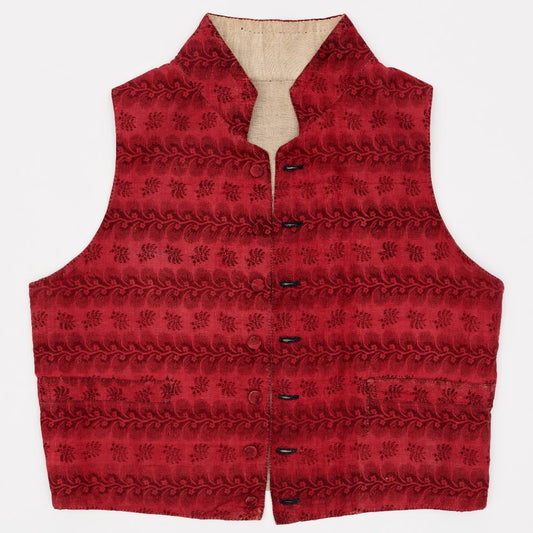
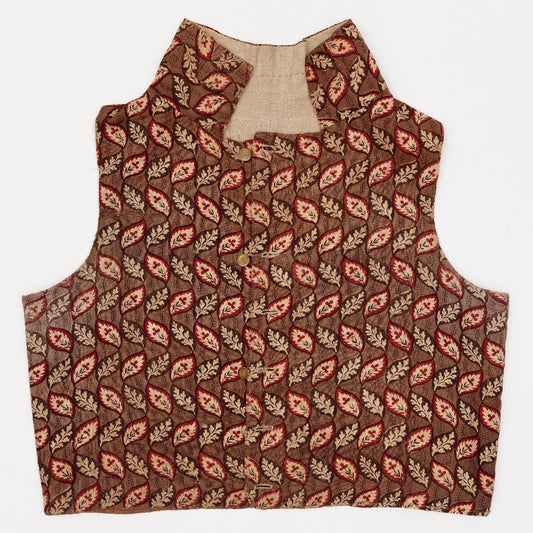
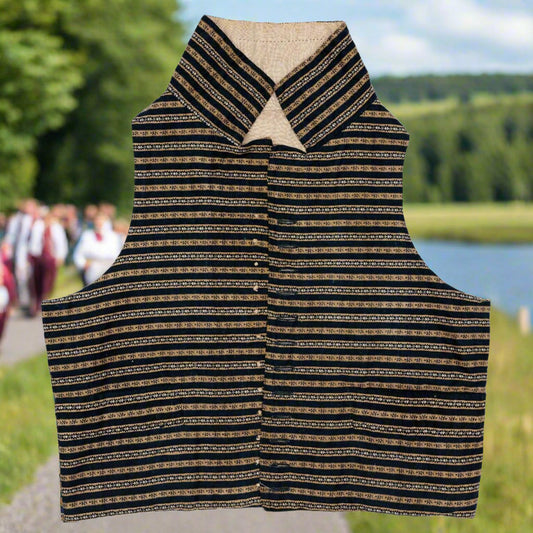
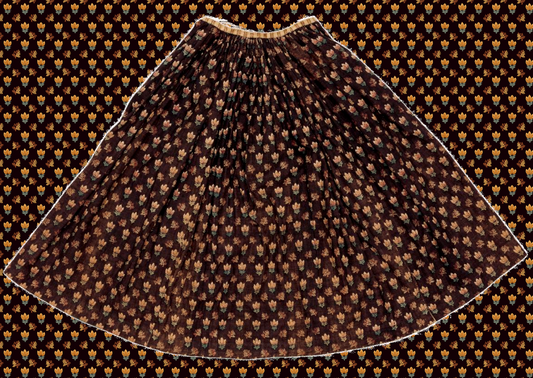
In this category, I have meticulously recreated designs sourced from various Nordic museums, primarily representing attire worn during the 19th century. While these garments are distinct from formal Nordic national costumes, they can be harmoniously combined with traditional pieces — such as aprons — or worn independently for stylistic variation and personal expression.